


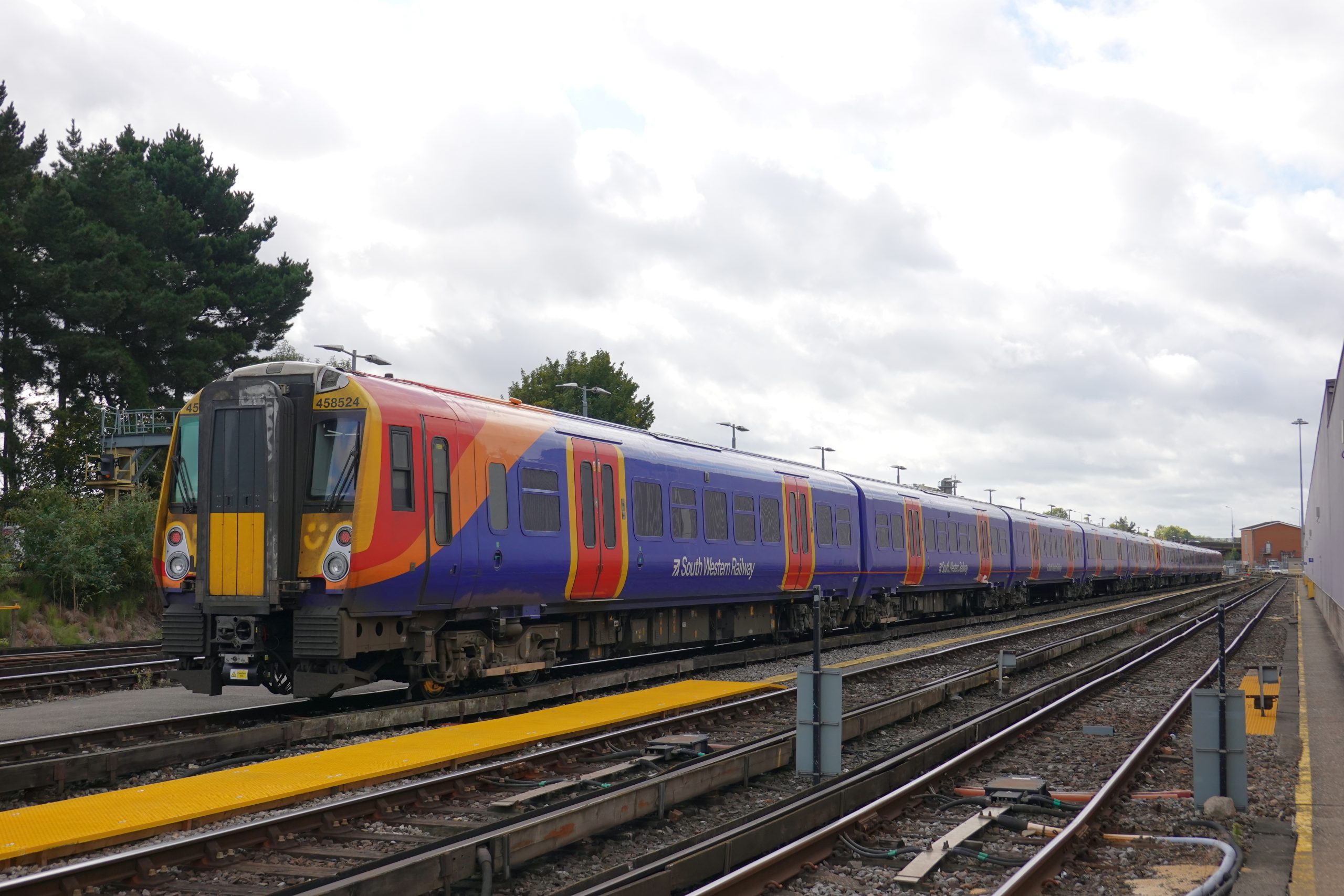
The first of Labour’s rail renationalisations, South Western Railway, had its maiden voyage on 25 May. But anyone getting their hopes up that this will mean an improved service and lower fares should think again. Not because the first trip had to be cut short with a rail replacement bus service for part of the way, but Labour transport minister Heidi Alexander made it clear that we won’t see a reduction in fares.
For Socialist Party member Tom, who lives in Aldershot, its cheaper to drive to work in London than take the hour-long train.
Former RMT rail union NEC member John Reid says:
Socialist Party members fight for the full nationalisation of the railways and buses and for the resources needed for an integrated transport system to provide a reliable, high-quality and free public transport network, owned and democratically controlled by committees of workers, commuters and local communities. This contrasts with a rehash of the bureaucratic state-capitalist form of nationalisation that existed before Tory prime minister John Major privatised the rail companies.
Under Labour’s plans, only the rail companies, currently running at a loss and massively subsidised by the government, are being nationalised as contracts reach their end. The rolling stock companies, which own the trains and carriages and lease them for huge profits, will remain under private control.
The ‘nationalisation’ of South Western Railways will not improve the service, lower the fares or improve the working conditions of my fellow RMT members on so called Great British Railways.
I use South Western Railway every day when I travel into Waterloo from Guildford. The service is usually late, trains are overcrowded, and the fares are the highest in Europe. Staff are frustrated that they cannot offer a better service to passengers.
This form of nationalisation will not lift the threats of job losses and attacks on terms and conditions of staff, nor will it improve efficiency or lower the cost of travel. Full, democratic nationalisation as part of a socialist plan of production, with the wealth and resources of society put to use to provide for need not greed, would give us the public transport network we deserve.