

Fiona Brittle, Delegate to TUC LGBT+ conference, personal capacity
On 3 and 4 July, LGBTQ+ trade union delegates met for the annual TUC LGBT+ conference.
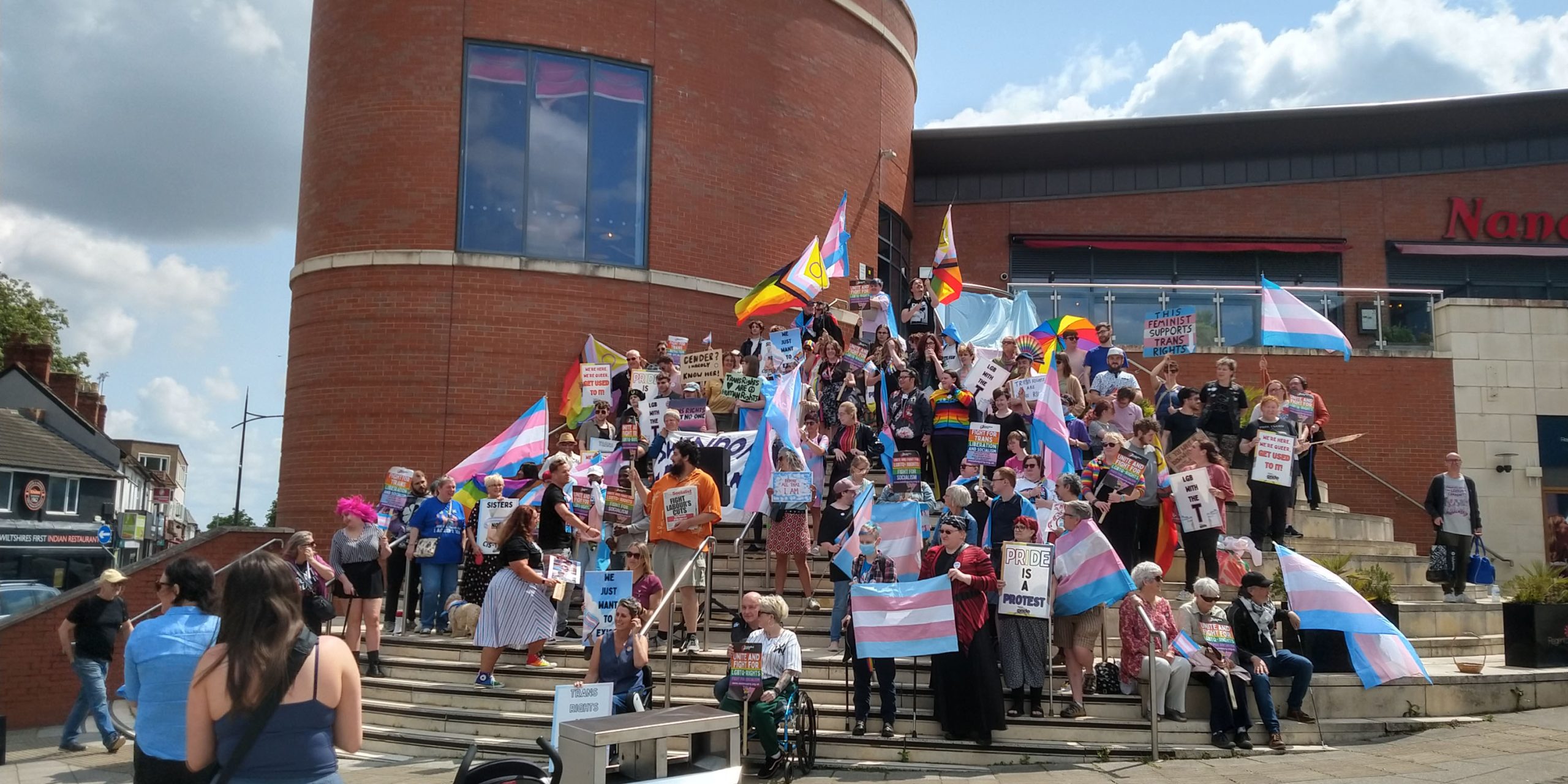
For years now, a strong theme of conference has been the vile abuse and discrimination faced by trans, non-binary and intersex people. In 2025 the issue was heightened following the Supreme Court ruling. Conference passed, among others, motions calling for better access to gender-affirming care, and tackling the far right who have moved into anti-trans, ‘gender critical’ spaces.
2024’s conference met just before Labour took power, and many of the Labour-affiliated unions expressed hopes that now was the time for things to get better. This year that attitude had not gone entirely, but it was bruised. Some delegates described their Labour membership as “hanging by a thread”, prompting the encouragement “so leave!” from other delegates. Others seemed more determined to put a gloss on things by hailing the promised conversion therapy ban, which would include a ban on attempting to ‘convert’ people out of being transgender – however, all had to accept that Labour have not given a timeline for when it will achieve that, and the bill remains in legislative limbo.
Labour MP Kate Osborne addressed Conference, and while she rightly called out the leadership for the role they have played in encouraging hatred against trans people and the impoverishment they’re planning for millions of disabled people through cuts, she continued to place faith in capitalist institutions like the Council of Europe to be the “home of Human Rights”.
She correctly identified austerity as the enemy, but pointed to the much-watered-down and delayed Employment Rights Bill as an example of Labour’s commitment to working people, and called Rachel Reeves’s decision to “rip up Green Book (investment) rules” a game-changer. This highlights that good intentions of left-leaning politicians on social issues like LGBTQ+ rights are not enough – the system of capitalism, supported by Labour, relies on maintaining inequality.
Unfortunately, there was significantly more discussion of what is wrong than what the trade union response must be to successfully fight back and win for LGBTQ+ people. More often the motions called for “lobbying” and the TUC to “affirm support” for LGBTQ+ rights, rather than coordinating action, including strikes, between all unions to both fight transphobia and fight for better pay, jobs, homes and services for all. Sowing divisions amongst workers plays into the hands of big businesses and billionaires, who rely on us fighting amongst ourselves rather than demanding their hoarded wealth be redistributed.
Labour government attacks
My trade union, Public and Commercial Services Union (PCS), moved a motion agreed under last year’s executive committee, entitled ‘Oppose Labour’s attacks on LGBT+ people’. It passed with a considerable majority. In moving the motion, Liat Norris (PCS Broad Left Network member) asked delegates from Labour-affiliated unions to go back to their unions and call for an immediate review of their affiliation. The motion was firm that we should not be ‘thankful’ for a Labour government that has so actively harmed the LGBTQ+ community.
I and the other PCS delegates reminded conference that they have done so both through direct attacks – such as supporting the Supreme Court ruling – but also by maintaining the programme of budget cuts and austerity which has devastated the working class for years under the Tories.
Keir Starmer recalled parliament on a Saturday to ‘nationalise’ Scunthorpe steelworks, and at a moment’s notice to shamefully proscribe the campaign group Palestine Action as a terrorist organisation. He could have done the same to bring legislation to protect trans people following the Supreme Court ruling, and to remove anti-trade union laws.
We told conference that it is for the trade unions as the organised working class to put in place practical steps to allow reps to defend trans members at work. I reminded conference that the Labour Party didn’t add LGBT+ rights to its manifesto in 1985 because the National Union of Mineworkers asked nicely – it was because the industrial might of their active, engaged membership was so considerable that Labour was forced to concede. But today the trade unions have been stripped of their power to determine Labour policy – for example, in 2023 the party conference voted to renationalise Royal Mail but it was not in the manifesto
We must build our unions to fight political and industrial battles in defence of LGBT+ members with a programme to unite all of the working class, if we want to see meaningful changes rather than more empty words.
