


Ryan Leonard, Hillingdon Socialist Party
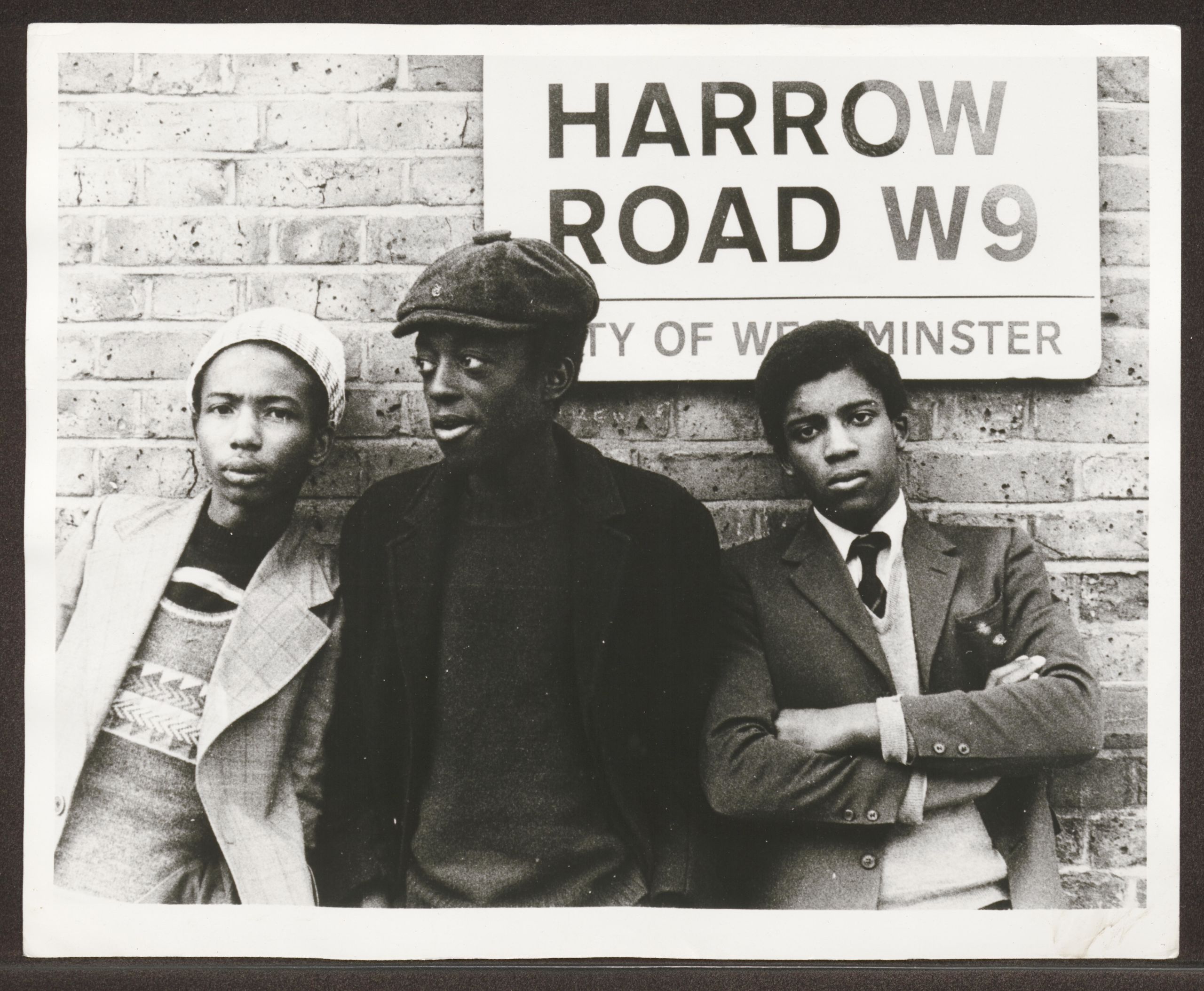
Unlike his parents and older brother who were born in Trinidad, protagonist Anthony (Tony) Watson was born and raised in Ladbroke Grove, west London. Pressure starts with Tony eating his breakfast of bacon and eggs, preparing for yet another job interview. Collin, his brother, is putting pepper sauce on an avocado. This is the first of many juxtapositions throughout the film.
I have fond memories my grandfather teaching me the proper way to eat avocado and my grandmother teaching me to make pepper sauce. I could taste all the food in this scene. Tony’s job interview is with Mr Crepes, an unpleasant man with an even more unpleasant comb over! Despite having good grades at O-level, he is told: “You’ll hear from us” and leaves the interview dejected.
The film’s next culture clash comes when Tony attends a dance with some of his white friends. The scene is juxtaposed with his brother, who is a member of the Black Panther Party, speaking at a political meeting. Scenes of both are intertwined. The sea of Black faces at the meeting contrasted with the dance, where Tony is in the minority. The loud rock music at the function hall, blocking all thought and focus, opposed to the captivated audience with a clear hunger for consciousness.
Anthony walks a young lady home, he’s had a crush on her since school. Her job has meant that she can afford to move out of home and out of Ladbroke Grove. Ironically at the time this was a key goal of those seeking social mobility. How times have changed!
The young lady’s landlord banishes Anthony for reasons unsaid, but well understood. Feeling rejected by white society, Tony starts to spend time with Winston, Jacko and their friends. They are his age but were born in the Caribbean. Even among his peers he’s shown to be an outsider. He likes fish and chips not patties.
While Collin is harsh on Anthony and his new friends, Louise, a sister from America, recognises you can catch more flies with honey than vinegar. Despite receiving a message of colour, culture and consciousness, the group are more concerned with numbing their pain at a blues dance.
This rejection of Black consciousness is juxtaposed by his parents’ connection to the church and yet, to quote Karl Marx, “Religion is the sigh of the oppressed creature, the heart of a heartless world, and the soul of soulless conditions. It is the opium of the people”.
Both Anthony and his parents are engaged in ‘false consciousness’ and desperate to ignore their mistreatment at the hands of the capitalism’s systemic racism. The priest calls on his congregation to “drive Black thought from your heart”. In fact, he is preaching that racism and capitalism are not the machinations of God but of men, and that the destruction of those twin evils will rely on the action of mere mortals.
When the labour exchange (job centre) exposes Anthony to structural violence and individual racism at the hands of his would-be employer, the choice is clear: settle for a job you’re over-qualified for or constantly face rejection.
The group of friends’ exclusion from society leads them to find their way into the grey economy, with disastrous consequences. At a rally for the Panthers, Louise gives a rousing speech calling on those present to rise up in unity and confront their oppression. This is a call to smash the racist state to, where possible, build in its place community-based structures that can fulfil the needs of Black people.
The speech rouses the rally audience, and also the film’s viewers. It invokes the spirit of all those who have fought injustice, including those brave souls in Haiti, who shrugged off their chains to defeat the world’s most feared general in a battle for human dignity and freedom. The meeting is smashed by police and Black Panther members are arrested.
Pressure is a film about dispelling illusions. The Watson’s white dream is utterly smashed by the reality of Black life in 1970s London. Their vulnerability to the structural racism which is part and parcel of the capitalist system is laid bare.
However, the overarching emotions I was left with were empowerment and hope. Anthony, once an ‘English boy’ in a shirt and tie, desperate to fit in, now dons Panther leathers with pride. He has joined the struggle and yet he is able to separate his treatment by the state from the white people around him. He connects the struggle against racism with the struggle against those very few in society who own a great deal, declaring no war but class war!