


Nick Cooper, Cardiff East Socialist Party
Screenwriter and producer Russell T Davies could never be accused of hiding his politics. His latest offering, set in the Doctor Who universe, is closer to his darker, grittier works, such as Years and Years or The Second Coming.
The War Between the Land and the Sea isn’t just a Whovian monster-feature with a heart. It’s a searing, albeit occasionally clumsy, indictment of a ruling class that would rather engage in biowarfare than risk the profits of pollution.
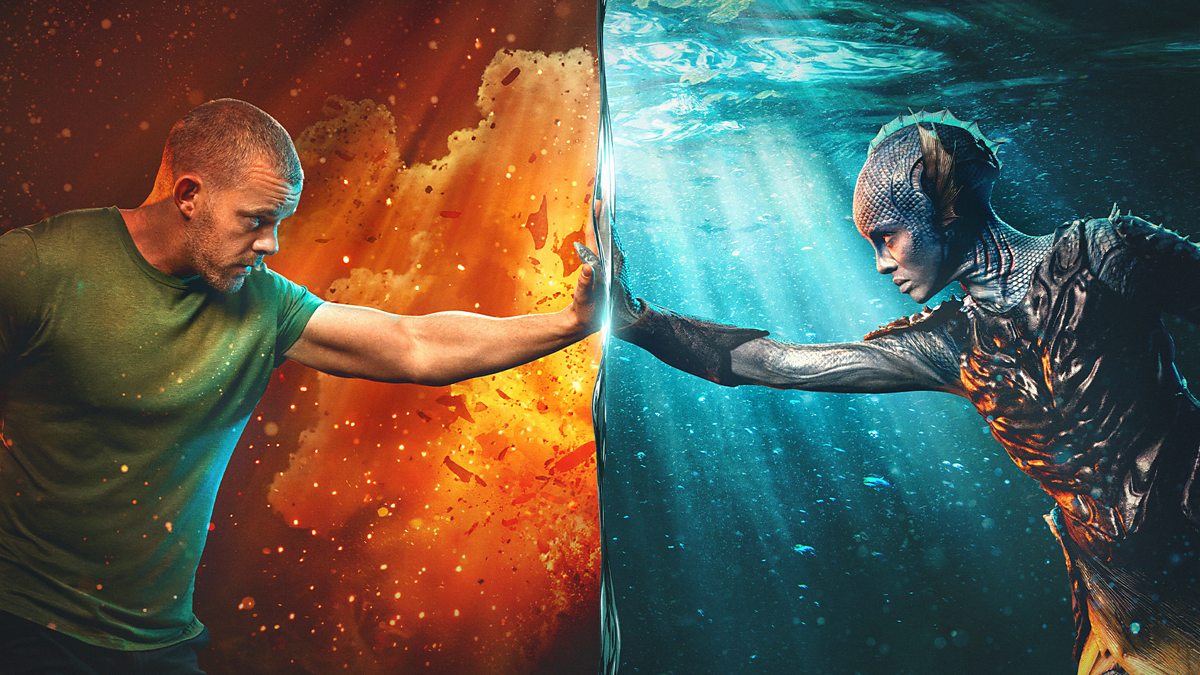
An ancient aquatic civilisation – the Sea Devils, rebranded Homo Aqua – have emerged from the depths to reclaim their world. Humanity, or rather the industrial giants and craven politicians who run things, have turned the oceans into a plastic-choked graveyard. Once they start returning our junk onto land, it’s difficult not to start rooting for the ‘villains’.
The show shines when it focuses on the boardrooms and bunkers. We see 10 Downing Street and the Pentagon – with shades of Don’t Look Up – treating an existential threat to the planet as a policy issue to be managed. Davies beautifully captures the inertia and unqualified arrogance of the capitalist elite in the face of human extinction.
The introduction of Sir Keith Spears, a ‘utilities businessman’ sitting among military decision-makers, is a masterstroke. It illustrates the revolving door between private capital and the capitalist state.
The series falls down somewhat in its portrayal of UNIT – the military organisation that combats paranormal and extraterrestrial threats in the Doctor Who universe.
Tool for status quo
The organisation ultimately remains a tool of the status quo, continually telling Russell Tovey’s impeccably portrayed ‘everyman’, Barclay, to “stay on message”, as he desperately seeks to represent the true intentions of humanity as their accidental ambassador, against the tsunami of capitalist ineptitude.
Barclay’s personal drama sometimes feels like a distraction from the global stakes. But his ability to ground events into a relatable world remains his greatest strength as an actor.
While the CGI is impressive, the real impact comes from the spine-tingling poignant dialogue. When Homo Aqua leader Salt tells humanity that their “words are vetted, and craven, and hollow”, she speaks for every worker who ever heard a politician offering “green initiatives”, while subsidising oil, gas, and coal.
Spoilers
The ending – hinging on ‘mutually assured destruction’ – is a bleak reminder of the limitations of a pro-capitalist liberal imagination. Davies is deftly able to demonstrate the horrors of the system, in a vocabulary we recognise. But he can’t envisage a way out that doesn’t involve a Cold War stalemate.
The series is a welcome expression of rage. But like much of Davies’s writing, stops short of suggesting an overthrow of the capitalist order that can actually save the environment.
The War Between the Land and the Sea can be viewed on BBC iPlayer