


Richard Worth, Bristol Socialist Party
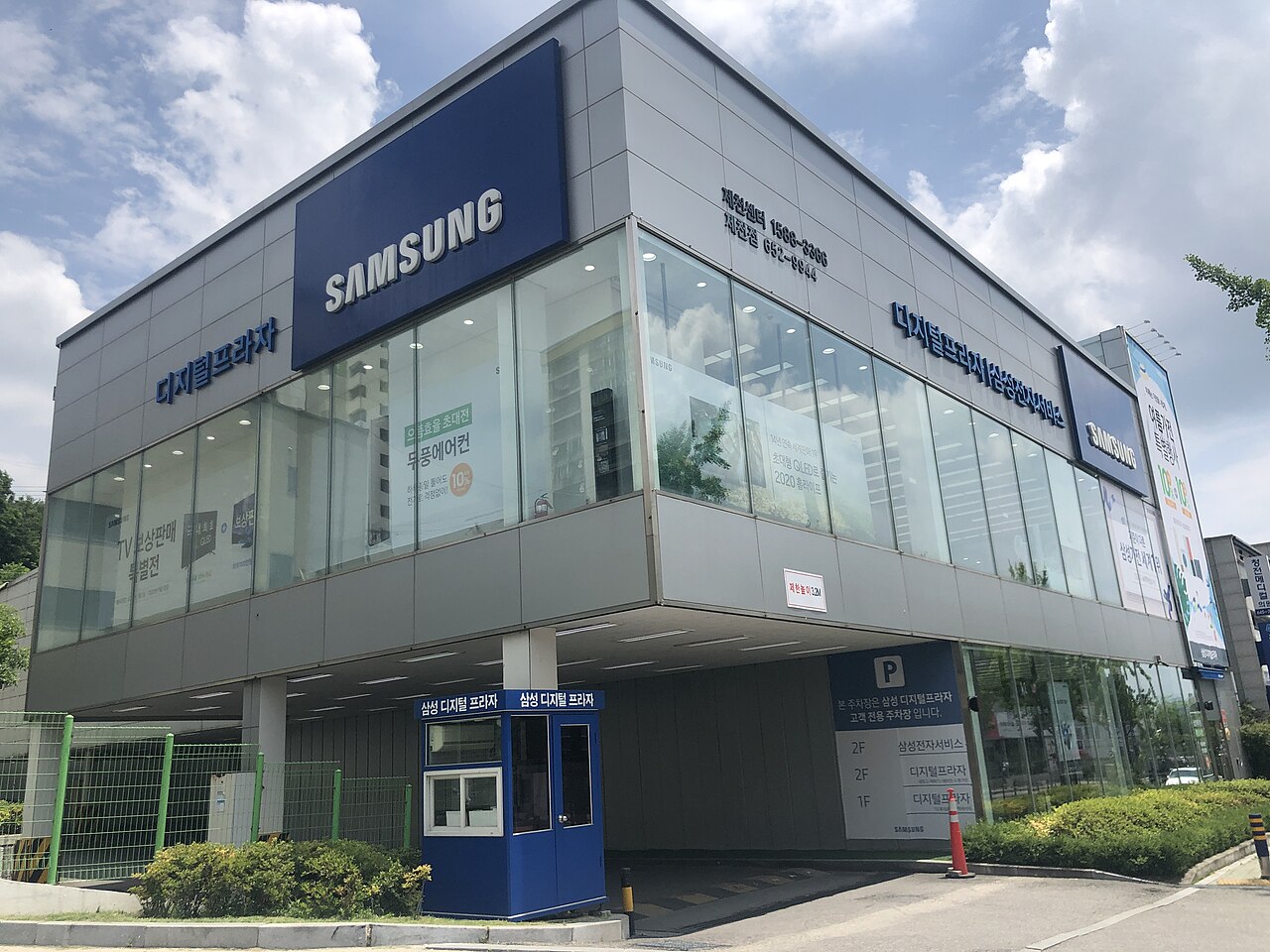
After six months of dispute between workers and bosses in Samsung Electronics, South Korea, 48,000 workers in the company’s semiconductor chip manufacturing division were set to go on strike for 18 days from 21 May.
With high and growing demand for electronic chips for the world’s Artificial Intelligence (AI) industries, a strike would impact many global businesses, and put significant pressure on the bosses.
With an estimated annual operating profit of approximately £22.5 billion in 2025, Samsung Electronics has recently seen a massive AI-driven chip boom, with profits in just the first quarter of 2026 soaring to a record-breaking £29.3 billion. But while shareholders have become wealthy, the workers, who create this wealth, have seen little passed onto them. With a severe cost-of-living crisis developing throughout Asia, worsened by the US-Israeli war with Iran, workers are fighting back.
Previously, the Samsung Group held a no-union policy and globally carried out union-busting activities to prevent workers from organising.
After Samsung vice chairman Lee Jae-yong was released from prison for corruption and union-busting amid growing worker unrest in 2021, Samsung Electronics recognised the unions.
In June 2024, Samsung faced its first ever industrial action as workers struck for higher pay.
Since November 2025, the unions have demanded an end to a 50% cap on bonuses and for workers to receive an increased bonus distribution of 15% of Samsung Electronics’ annual operating profit. In March 2026, 93% of workers voted for strike action to win their demands.
The government threatened to evoke emergency powers and force a deal on them but feared inflaming the struggle, so at the eleventh hour Samsung Electronics made an improved offer of 10.5% of operating profits, without any cap, on top the existing company-wide bonus scheme and an average wage increase of 6.2%. This was accepted by the union leaders.
The government’s presidential office welcomed the agreement, thanking Samsung and the union for making a “magnanimous decision for the sake of the people and the country”.
The deal, however, does not pay the bonus as cash but as shares in the company, with only a third being allowed to be cashed straight away. The remaining two thirds will have to be kept for two years. Also some shareholders have called the deal illegal and are threatening legal actions to stop it. The struggle is therefore not over.
As we got to press Samsung Electronics workers are voting electronically on the proposed deal and the result will be known from 27 May.
