


Pete Dickenson, Tower Hamlets Socialist Party
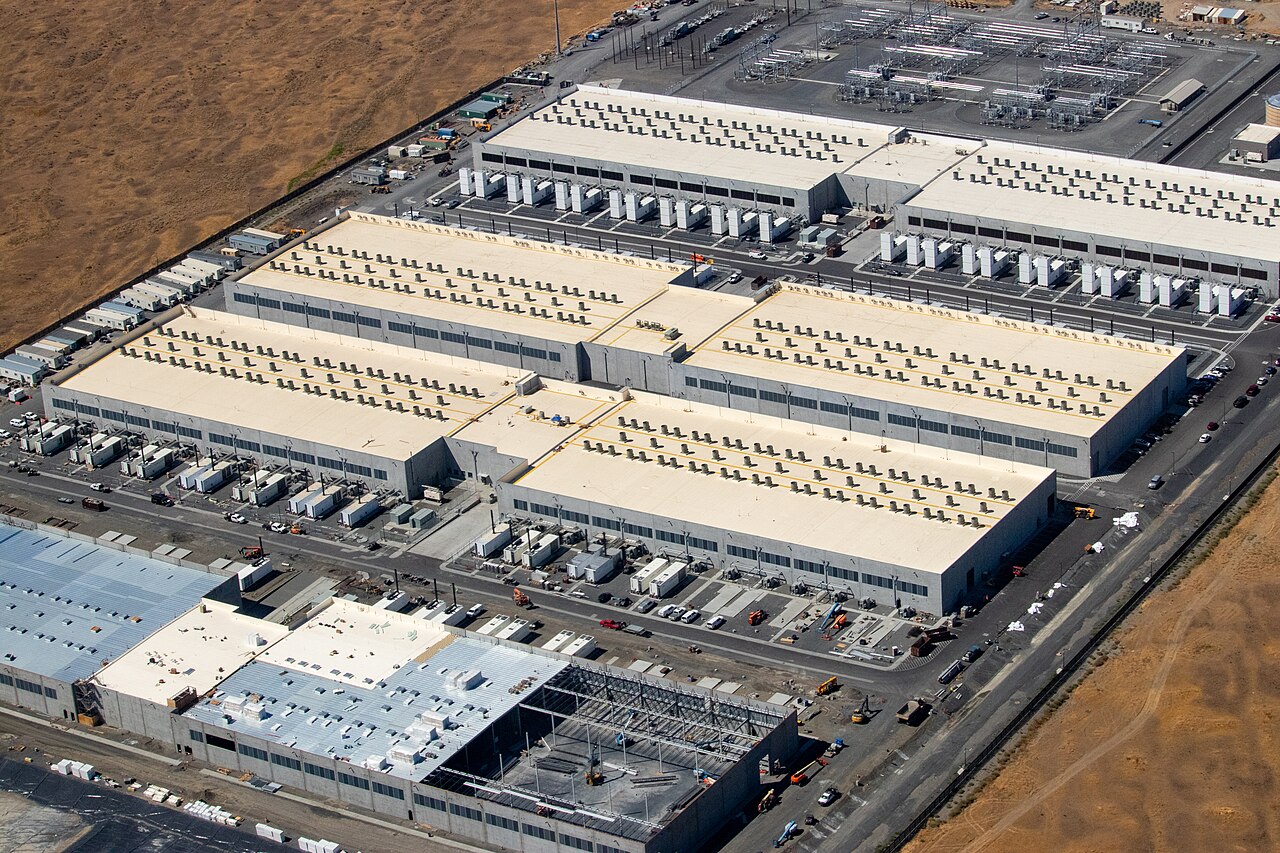
As recently reported in The Socialist, a struggle has been taking place in Tower Hamlets, East London, against a proposal to build another data centre in the borough (see ‘Data centres: Tower Hamlets needs homes’). Six years ago, a proposal was put to the council to redevelop a large, disused brewery site in the Brick Lane area that would include offices and a shopping mall. The council rejected this in favour of a plan including 345 social housing units. After much delay, early in 2026, the developers submitted a revised proposal for a data centre on the site, as well as offices and shops. The social housing ‘offer’ was six units.
This proposal then went to a public inquiry, but halfway through the Minister, then Steve Reed, called it in for him to make a decision, bypassing planning regulations. He could do this because the government had designated the development as having critical national importance because it included a data centre. Reed was removed when Andy Burnham took over, but Angela Rayner, the new housing minister, nodded the data centre plan through within days of taking office, despite massive local opposition.
Against this backdrop, Chancellor John Healey announced his ‘British Data Centre Covenant’ in the Budget. The ‘Covenant’ says data centre developers must invest in local communities and create local jobs among other apparently positive soundbites. In return, the developers will get priority access to connections to the electricity grid.
The ‘Covenant’ is notable for what it does not say. What type of local investment will be required (there is no mention of housing) and how big it will be is not specified, nor how many local jobs should be created. Giving developers priority for grid connection is a particular threat to desperately needed housing, 30,000 are on the Tower Hamlets council house waiting list alone. In 2022, a London Assembly report found that housing developments were being crowded out from connection to the electricity grid due to data centre demand. This was before the current explosion in power-hungry AI data centres. Regarding jobs, the data centres themselves will employ very few, probably about six workers at any one time at the Brick Lane site.
The Covenant says that AI data centres may be allowed to generate their own power, on site, if there is a delay in connection to the grid. No mention here of any requirement for this to be done sustainably. The developers will be able to build their own gas-fired power stations, dedicated to AI, giving another twist to global warming. Research even before the present AI data centre boom began showed there was no prospect of them being sustainable.
Healey has kicked the can down the road on some of the key areas mentioned above by saying he will publish a ‘Data Centre National Policy Statement’ for consultation. Local opposition to AI data centres is already huge and needs to be built further in the interim period before the consultation starts. This is of course subject to Andy Burnham’s plan to secure an AI niche for British capitalism going up in smoke when the present speculative bubble bursts.
