

Karen Greer, Liverpool and District Socialist Party
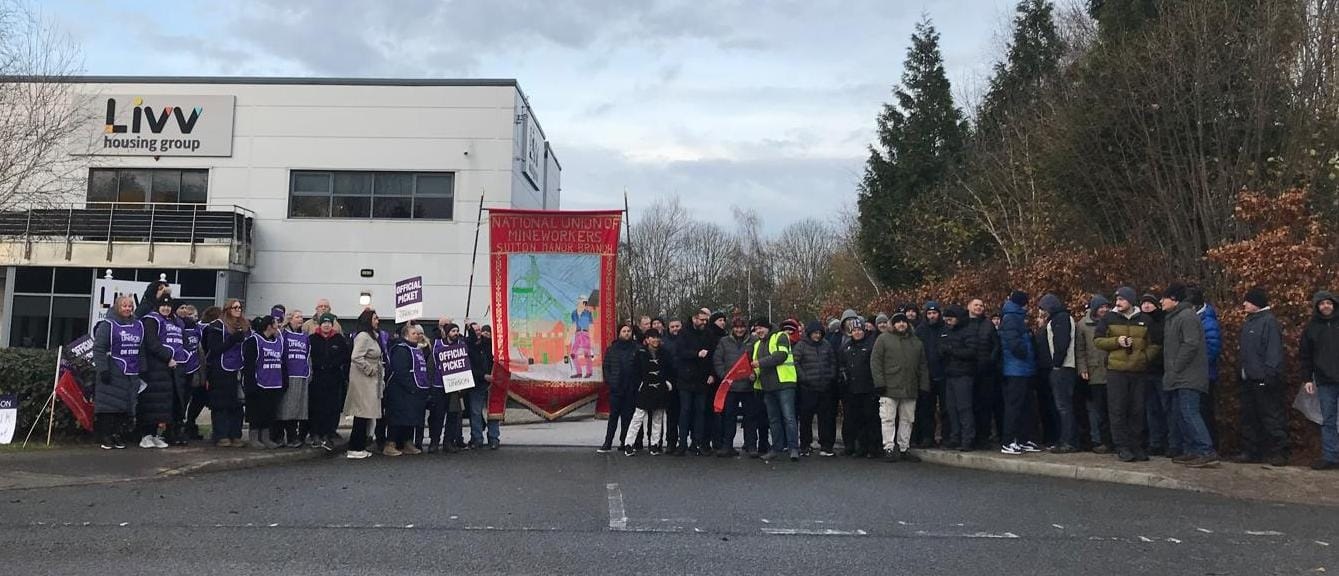
Unison and Unite members at Livv Housing Group in Knowsley have been taking strike action since October over their pay claim for 10% or £3,000, whichever is greater. The employer thought that there was ‘no need’ to enter negotiations with the unions, simply making a first and final offer of 5%, which is significantly below what is needed to restore the 30% real-terms cuts in wages over the past decade.
Members have taken more than 60 days of strike action, with further action planned for the first two weeks in March. The employer was asked to extend the statutory industrial action mandate by three months, but again decided that there was ‘no need’! So both unions have balloted again, and returned high turnouts and large majorities for action.
After months of inaction by Livv bosses, the pressure led to a resumption of talks, with the union side putting forward measures to help resolve the dispute, such as better pensions, enhanced rates of pay for weekend working, and reducing the working week from 40 hours.
The pressure has also moved local MPs, the Liverpool City Region metro mayor, and the Knowsley council leader, to write to urge the CEO to return to negotiations.
Knowsley MP Anneliese Midgely exposed the employer’s anti-union tactics in the House of Commons. These included offering non-striking workers a 5% pay increase, provided they confirmed in writing that they were not union members! Solicitors acting on behalf of the unions are investigating potential claims in relation to this.
The latest attack by the employer is to bring in contractors to cover striking workers. This move has prompted a collective grievance and possible legal action by the unions. ‘No need’ to consider the law?
The strikers see ‘no need’ for Livv’s top executives to have the pay rise they have received – the CEO is on £255,000 a year!
Stop press
Both Unison and Unite have returned high turnouts and large strike majorities in their reballots
