


Yavnik Ganguly, south east London Socialist Party
Increasingly extreme weather caused by the climate crisis could drive up food prices in Britain by more than a third by 2050, according to a report by thinktank the Autonomy Institute.
Britain’s largest retailers have also warned that hot, dry weather has reduced fruit and vegetable harvest yields. This has already contributed to rising prices this year, with heatwaves, droughts and floods all disrupting food production, all made worse by climate change.
The UK is particularly vulnerable; almost half of our food is imported. Storms and floods reduced domestic vegetable production by 12% in 2023 showing that domestic farming is also under pressure. Lower-income households will be hit hardest, as they spend a larger proportion of their income on food. The thinktank has stated that the inflation in food prices caused by the climate crisis risks pushing almost 1 million people into poverty.
Capitalism = climate chaos
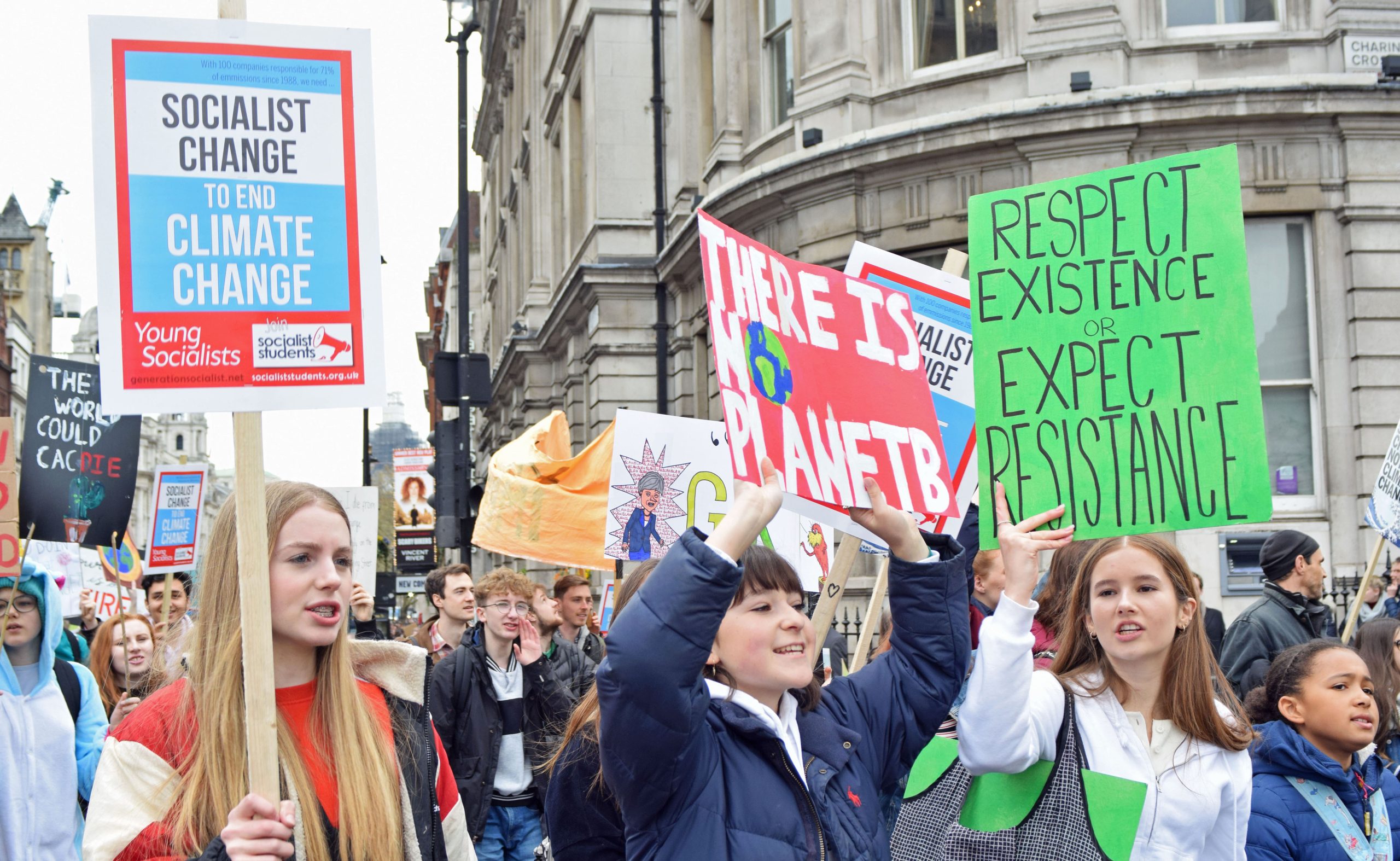
The responsibility for the climate crisis lies with the capitalist system. Energy companies continue to extract and burn fossil fuels in pursuit of profits for the capitalist class, despite the destruction this causes to the planet and the existential threat this poses to humanity. While the planet destabilises, disrupting food production and leading to increasing migration as more areas of the world become uninhabitable, energy companies continue to enjoy profits undisrupted. In the UK, the previous Conservative government awarded the development of the Rosebank oil field to Norwegian oil giant Equinor, at no benefit to the UK public.
Again, the capitalist class causes crisis and then offloads the costs on to the working class. Working-class people should not be made to pay higher food prices due to the climate crisis which the capitalist class is profiting from. When corporate food giants raise their prices its to maintain their profits. Why should we put up with that?
The climate crisis cannot be resolved unless key industries are taken from the corporations which prioritise profit. Energy companies should be nationalised and brought into democratic workers’ control, so that the industry can be directed for the common social good and transitioned into renewable energy without making working-class people pay the price. Alongside the banks and big business, including agribusiness and the food industry, nationalised industry could be used as part of a democratic socialist plan of production to remove the waste and environmental damage inherent in the profit-driven capitalist system and provide a decent standard of living for all.
