


David Ellis, Birmingham Socialist Party
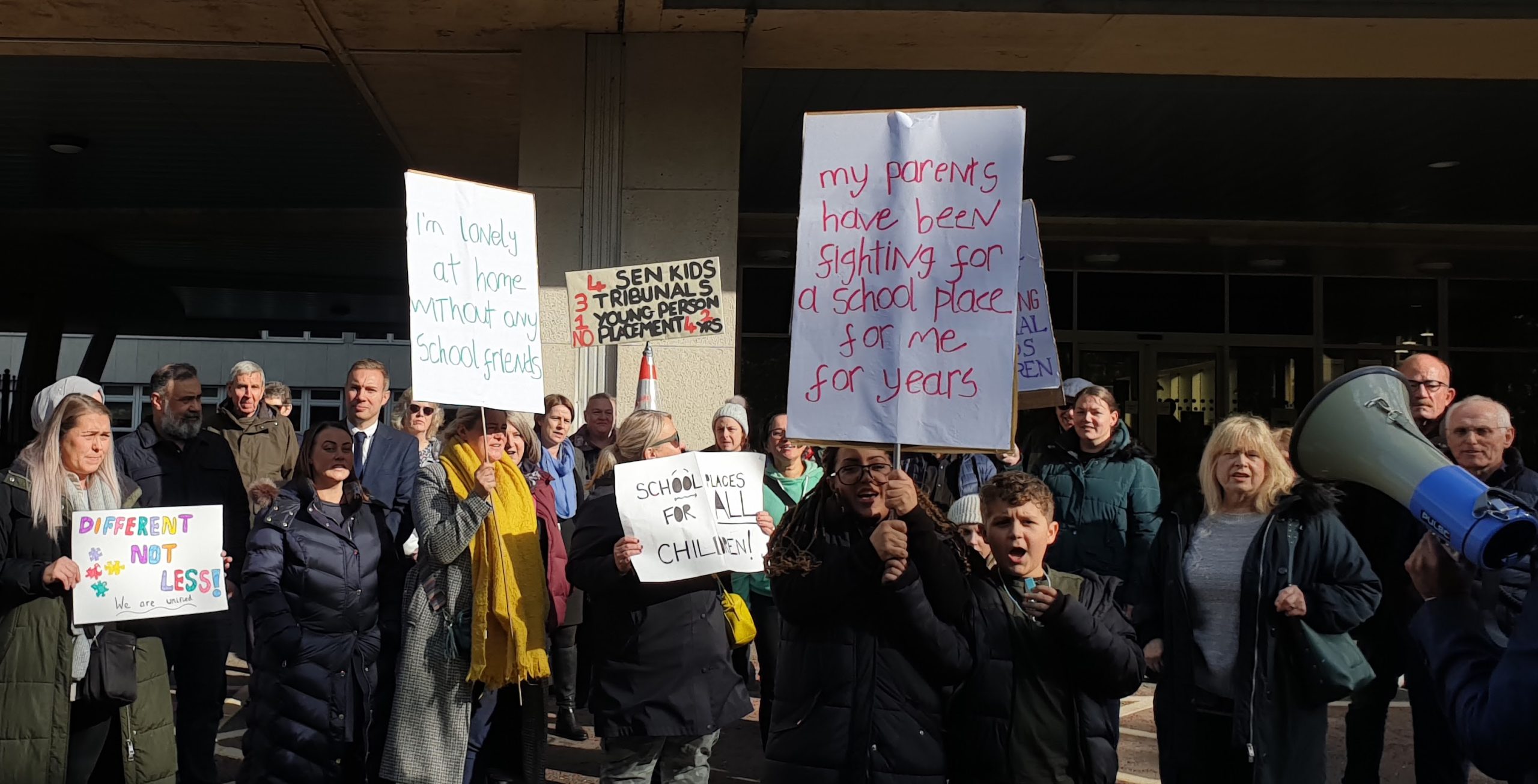
Thousands of vulnerable children could lose vital support under proposed government special educational needs and disabilities (SEND) reforms. The proposed reforms promise to increase SEND provision within mainstream schools as well as establishing more specialist state schools. If schools were provided adequate funding, with teachers, parents and students having a democratic say, that could be positive. But that’s not what Keir Starmer’s austerity government is going to do.
Included in these plans are changes to the eligibility criteria for Education, Health and Care plans. These require local authorities to provide one-on-one support, transport, and sometimes private education to children with the highest needs which stretched and underfunded public services can’t meet. Activists fear these reforms will restrict how many families can access the support they need. This fear is backed up by the education minister’s statement to MPs that “we won’t be removing any existing, effective support” – implying that new pupils will face cuts, similar to proposed attacks on disability benefits.
Cost of privatisation
The number of children in need of SEND support has doubled in the last decade. But the cost of care has also been driven up by the increase in outsourcing to the private sector. This year, councils in England handed over £2.1 billion to private companies for SEND school placements. This profiteering comes at a huge cost to the public: a state-run SEND school costs £24,000 a year per pupil, while private providers charge an average of £62,000!
Rather than slashing support, the government must fully fund and nationalise all SEND provision. These services should be under the democratic control of the teachers and staff who work there, as well as the families of their pupils, and student organisations. Ending profiteering would reduce the costs by cutting out the profit-making middleman, while ensuring that services are fit for purpose. These groups, through trade unions and other democratic organisations representing students and people with disabilities, should be the ones to decide any national changes to SEND support provision.
The Labour government is desperate to balance the books by ramping up austerity and making the working class pay for a crisis we didn’t cause. However, following a series of U-turns on welfare and winter fuel payments, they will undoubtedly want to be very careful in announcing any changes. More importantly, people across the country have seen that Starmer’s Labour Party can be forced back by coordinated action. This makes it all the more likely that they will face mass resistance if and when they try to implement any further cuts. The trade union movement must prepare now to defend every child’s right to education and care.
