


Join the socialist fight to end poverty
Helen Pattison, London Socialist Party
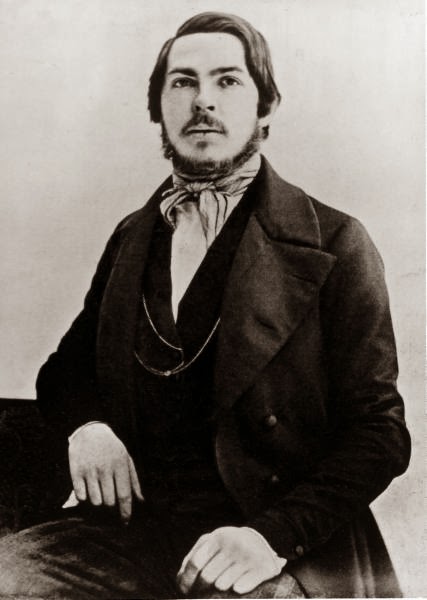
Socialist, and co-thinker of Karl Marx, Friedrich Engels “took creative liberties with descriptions of class divides in Manchester”, read a recent article in the Guardian newspaper, taking unnecessary aim at his writings over 170 years after they were published.
Engels wrote “The Condition of the Working Class in England” in 1845. It was his first work and it wasn’t exhaustive – our own review explains how, at that time, Engels hadn’t yet developed a full programme about how to change working-class living conditions (see ‘ Review: Friedrich Engels – Condition of the Working Class in England’ at socialistparty.org.uk).
Instead, the book mainly focuses on his own experiences and the outrage it made him feel, seeing how people lived. The new research which the Guardian has used shows that around 10% of the population of some Manchester slums were from better-off classes. Historian Emily Chung also found that in some of the wealthier areas, there would have also lived unskilled labourers, including in the same houses. Workers though, it seems, would have lived in overcrowded subterranean cellars, where disease spread quickly. These circumstances were in areas of the city which Engels focused on less in the book.
The real question is: why does the Guardian want to undermine the work of Engels today – 15 years after a great recession after which living standards haven’t recovered for workers and young people?
Capitalism means poverty
Clearly, living conditions are vastly different from the Manchester slums of the 1840s. But capitalist society hasn’t ended poverty, poor living standards and much more. In 1845, sewage ran though the streets of Manchester. Today the river Irwell, which flows into the city, is one of Britain’s most polluted rivers.
‘Liberal’ papers like the Guardian are fearful of new generations of workers and young people, disgusted by their conditions, seeing that these are not new problems. They fear people beginning the draw the conclusion we have to fight to change society, and that writers like Marx and Engels will give such people a historic backdrop and programme for these ideas.
