


We need socialist planning to repair our crumbling infrastructure
Dean Young, Liverpool South Socialist Party
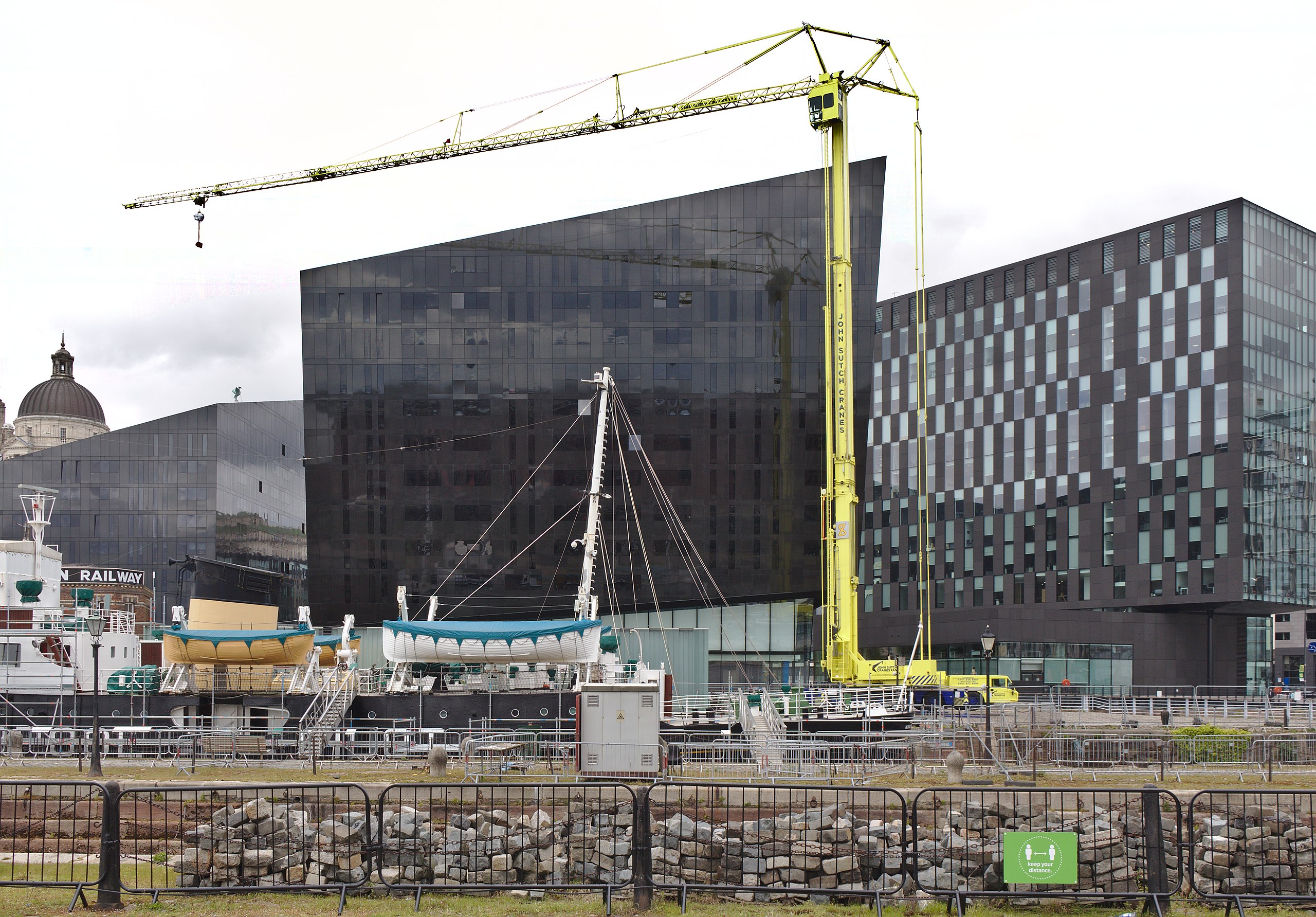
In contrast to the slogans of ‘build baby build’ coming from some of Labour’s cabinet ministers, the construction industry is struggling to build much at all. Construction activity has “contracted by much more than expected and at the fastest pace for more than five years”, marking “the longest period of continuous decline since the global financial crisis more than 15 years ago”, the Financial Times reported.
Capitalist economists blame ‘business uncertainty’, fears for their profits, increased employer National Insurance contributions and a rise in the minimum wage.
The threat of private-sector projects being held hostage due to increased costs for businesses outlines a key flaw of capitalist development. Private corporations only build if they believe profits will flow from such an endeavour in the short to medium term. Meanwhile, the necessary work to fix Britain’s crumbling infrastructure in the long term remains to be done. If the construction industry was owned and controlled by the working class (the workers in the industry and wider society) this short-sighted, profit-seeking mindset could be swept away.
Instead, construction would be done on the basis of need and improving the living standards of us all, even if it does not bring with it financial benefits for the banks and big business. Building good-quality council houses is just one example of what could be done. Public works programmes would be introduced by a planned, democratic economy, cleaning up the mess that the unplanned chaos and stagnation of the capitalist market has caused.
A mass workers’ party is urgently needed that could lead the fight for such a society, that runs things on the basis of need, not profit. Such a society would unlock the productive capacity of humanity, removing the shackles of conservatism which dominates industries such as construction, and improve the lives of workers across the world.
