


Joe Woolfall
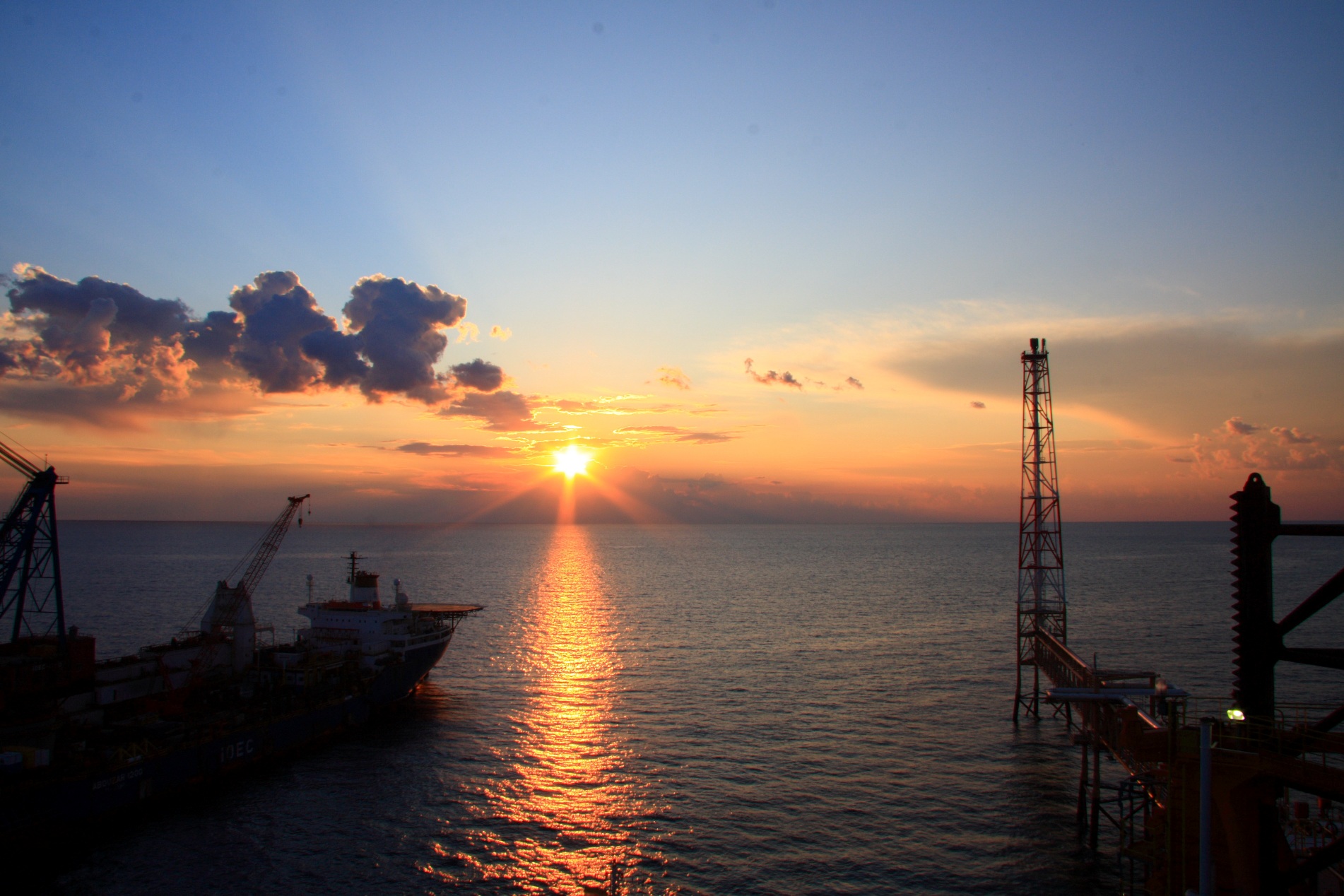
At the start of November, 15,000 Iranian oil workers went on strike at the South Pars field, an important gas field for the Iranian economy.
The dispute, led by the Association of Gas Industry Workers’ Unions of Bushehr Province, is due to poor working conditions, pay, and inadequate leave time. The workers’ demands also point to violations of labour laws by the Iranian government and private contractors, who often employ workers through exploitative temporary contracts.
South Pars produces 40% of Iran’s income and 70% of the nation’s energy. This means that the workers here potentially have a lot of power through withdrawing their labour. This strike demonstrates who ultimately has power within society: the workers who keep everything running.
Despite the repression carried out by the Iranian regime, strikes have been on the rise in recent years. Oil and gas workers, in particular, have led strikes in various provinces in Iran. 2021 saw refinery workers unite under the ‘Campaign 1400’ banner, when thousands went on strike to protest poor wages and conditions.
Continuation of action
The 15,000 on strike most recently stopped work on 11 November in a continuation of action from the start of the month. The workers wrote in a letter to the Iranian authorities: “We will continue to organise, to educate, and to stand in solidarity with workers both within and beyond Iran’s borders, recognising that the struggle for justice is neither fleeting nor confined – it is the living pulse of a people resolved to uphold integrity, sovereignty.”