


Tom Young, Cheshire Socialist Party
The fact that our climate is changing and that it is doing so due to human activity is not in dispute. A mounting body of scientific evidence since the 1970s now stands alongside many years of real, current effects of climate change, with heatwaves, wildfires and more frequent and severe storms being the most visible examples. This reality has become so undeniable that the super-rich capitalist class has had to modify its tactics to try and preserve the status quo and its ruling position. Whereas before they had tried to claim that climate change was not happening, or at least that it wasn’t caused by the massive overconsumption of resources, especially fossil fuels, that has made them rich, they have now had to retreat to downplaying the potential dangers.
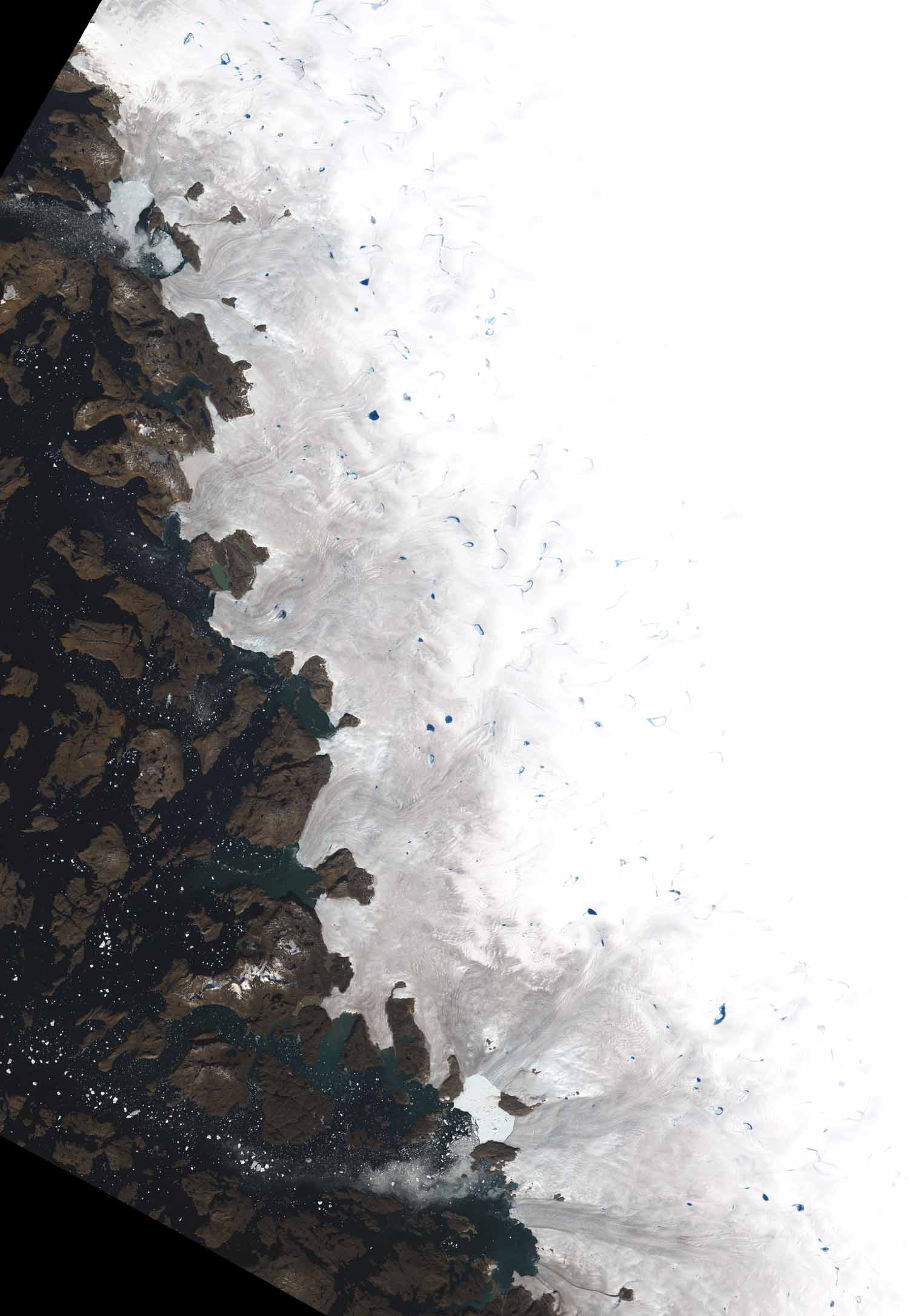
It is in this context that the Guardian recently reported that many of the economic models used by governments and banks fail to factor in the worst effects of climate change. While they estimate some GDP loss as a result of consistent warming, commonly used models don’t include the effects of less predictable severe weather events or so called ‘tipping points’ – scenarios where a system crosses a threshold where it can’t easily recover, for example, the Greenland ice sheet collapsing. These events would certainly cause major harm to the global economy, because they are hard to predict, hard to prepare for, and can do severe damage. Consider the $112.9 billion estimated cost of Hurricane Ian in 2022, and the $78.7 billion of damage caused by Hurricane Helene just two years later in 2024. With the frequency of such storms increasing, we should expect these shocks to the global economy to go up as well. Tipping points are much harder to quantify because they are completely unprecedented. If the Greenland ice sheet melts, for example, it will drastically raise sea levels and alter rainfall patterns across the globe, which would likely be catastrophic for ecosystems and agriculture.
The models being used give a false impression of precision by factoring in manageable costs for the capitalists, while masking a much more dangerous reality. Even though it is understood that paying the costs of moving away from fossil fuels now will be much cheaper than trying to mitigate the effects in the long run, a large section of the ruling class has a vested interest in continuing to profit from those same fuels, while the rest want the working class to foot the bill for any transition!
In an increasingly sick capitalist system, racked by shocks and instability, it is easier for the capitalist class to rely on flawed models to hide reality. Far from socialism being a utopian system, it is capitalism that has to resort to sheer fantasy to justify itself! To be able to make the necessary changes to investment and production to escape climate destruction we need socialist change. Until the working class runs society for the benefit of all, rather than for the profits of the few, the bosses will continue to bury their heads in the sand and choose short-term profit at the expense of everyone else. We need to take the wealth and resources of the world out of the bosses’ hands and democratically plan production to transition away from polluting fossil fuels, to provide a decent standard of living for all without destroying the environment.
