


Iain Dalton
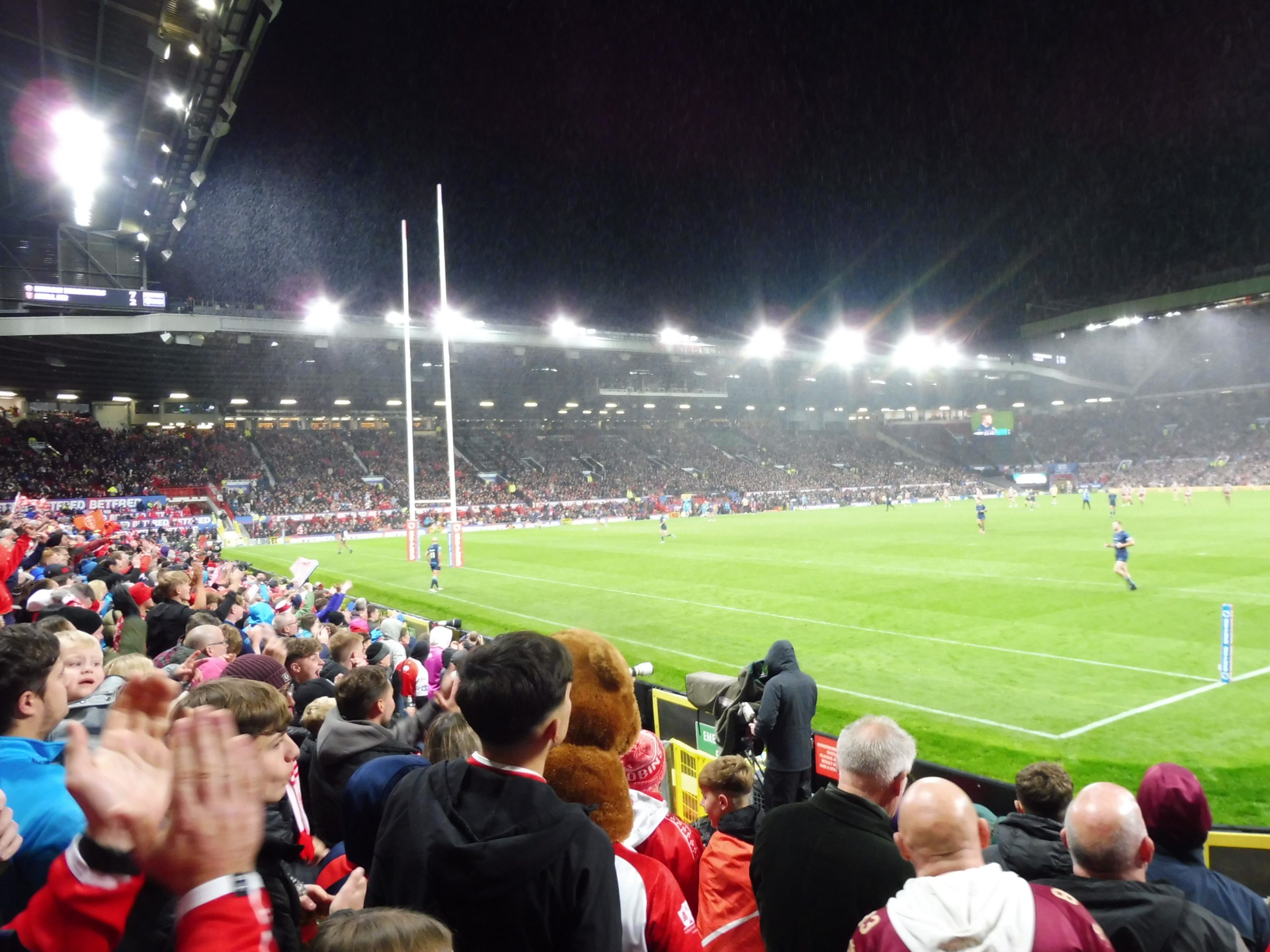
For the third time in three months, a professional rugby league club has become insolvent. Halifax Panthers were wound up in the courts on 9 February, following a dispute with HMRC. The second-tier Championship fixture list has been plunged into crisis once again, as it was after Featherstone Rovers collapsed in December, and the Rugby Football League (RFL) authorities decided not to issue a licence to a potential new company.
In part this will be because of the experience of Salford Red Devils, who also went under in December, before being resurrected in a phoenix club now playing in the Championship. Back in 2024, new owners were approved by the RFL on the basis of bringing in new financial investment to the club, which never materialised. Instead, wages went unpaid, players left as other clubs offered stable contracts, and the club was kept alive by an RFL management desperate not to invalidate the TV contract, eventually playing mostly reserve and short-term loan players.
Fans of the club rightly organised against this farcical situation. The one game that was cancelled, against Wakefield Trinity, was the one where fans had decided to organise a march to the match over the situation, with over 500 attending despite the game being cancelled, officially over player safety, but equally to spare the owners’ blushes!
A fourth club, Oldham RLFC, has also been in court for a hearing with HMRC, however the winding-up order against this club was dismissed. Rugby union has also suffered blows, with three English top-flight teams collapsing in 2023, with added complications from the 27% ownership of the top flight by private equity firm CVC. And one of Wales’s four regional sides is set to go. Like union, top-fight clubs in rugby league are mostly dependent on benefactors – with most clubs requiring a £1 million cash injection a year to keep afloat. Where these don’t exist, clubs either operate on a shoestring budget or move from one financial crisis to another.
The RFL was shaken up last year by consultants IMG in their ‘reimaging’ of the sport. IMG was brought in by the RFL’s governing body to help improve the profile and finances of the sport – at the time it was said their remuneration would come from a cut of increased funding going in. The reality has been that they have been paid hundreds of thousands of pounds a year despite this new money not yet materialising.
A report looks to how the other full-time professional league of the sport is run in Australia, the National Rugby League (NRL). But its increased revenue is in part based on taking matches overseas to earn lucrative gambling money – such as taking league fixtures to Las Vegas, depriving fans of home fixtures to watch their club without spending a fortune to fly overseas.
NRL men’s and women’s players have taken action short of striking, boycotting media duties and so on in pursuit of basic guarantees such as maternity leave for female players, an increased minimum wage for professional players and injury hardship funds.
Ultimately, under the capitalist system, broadcasters and other investors are looking for what will get the best return for the money they need to pay.
Among the demands that should be raised is for bringing the big media companies into public ownership, and for democratic control of the sport by representatives of fans, players and other workers. Such struggles need to be linked to the need for wider socialist change in society, by mass working-class struggle to take over the commanding heights of the economy, and democratically use all the resources of society to meet the needs of all, including sport and other leisure activities.