


Socialist Party members in Usdaw
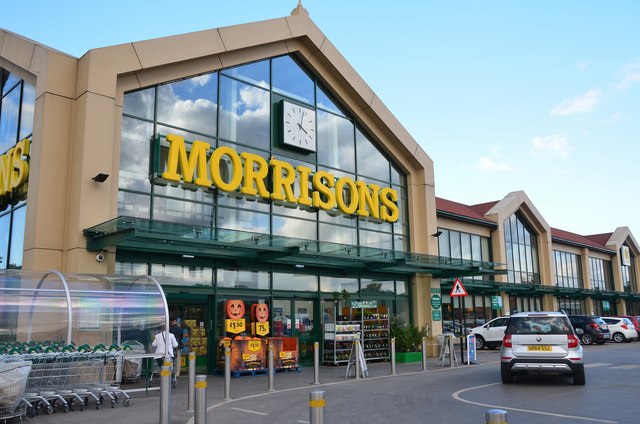
Over 25,000 Morrisons workers voted by 96.8% to reject the supermarket company’s non-offer on pay. The Usdaw Broad Left held an open discussion on 4 March on the way forward. As the national officer of retail union Usdaw Darren Matthews said in a video on official social media pages, all options are on the table including strike action.
Jake Welsh, an Usdaw branch chair representing Morrisons workers, opened up the discussion. He explained how the debt-fuelled multi-billion takeover of the company by Clayton, Dubilier and Rice (CDR) of the company a few years ago had accelerated the decline in pay and conditions – losing various benefits including Sunday premiums. Previously the company had been the first major retailer to pay a £10-an-hour wage. Petrol stations have been sold off to Motor Fuel Group, another CDR-owned company.
In 2024 Morrisons threatened workers’ pensions, which saw Usdaw threaten strike action, and Unite members at two sites strike, forcing concessions. But Morrisons delayed a pay rise that year until October. That was the backdrop which has fuelled members’ anger, resulting in the pay ballot result. Jake had been to five sites around Manchester, with some members really up for action if nothing further is offered and others unsure given they’ve never taken strike action before.
UCU NEC member Marco Tesei brought solidarity greetings to Morrisons workers, as well as to Usdaw members who have been taking strike action at Tetrosyl in Rochdale.
Usdaw Broad Left Secretary, and former Morrisons Usdaw rep, Iain Dalton was the final speaker, drawing lessons from recent strike action by retail and distribution workers as to how Morrisons workers can move forward.
Strike action has been put on the table by Usdaw’s leadership. To win a statutory ballot will require following up this compulsory ballot with the mobilisation of the wider membership. For example, GMB’s action in Asda was preceded by mass demonstrations outside the company’s headquarters in Leeds. The same could be done outside Morrisons headquarters, or with regional rallies in support of a decent, above-inflation pay rise for Morrisons workers.
But a key barrier which would need to be overcome, as UCU and other trade unions have successfully done, is the 50% strike ballot turnout threshold, which Starmer’s Labour government has pledged to repeal but so far not enacted.
Crucial to any campaign to win a pay rise would be democratic discussion about the aims and tactics of a campaign amongst Morrisons reps and members, and the mobilisation of the wider Usdaw and trade union membership in support of the strikers.
The picture painted by a number of Morrisons workers contributing to the discussion, was of plenty of new members signing up as a result of the campaign. One rep reported that in their store there was a lot of anger at Morrisons management. While not uniform, the mood was tending towards wanting to ballot for strike action or action short of a strike, such as an overtime ban. As with the ongoing dispute at Tetrosyl, a hardship fund would be crucial to support any strike action.
With a number of Morrisons workers and other Usdaw members outside the ranks of the Broad Left registering for and attending the meeting, then this will be an ongoing discussion if Morrisons fail to meet the overwhelming rejection in the pay ballot with a decent pay rise.
