


Helen Harris, Swindon Socialist Party
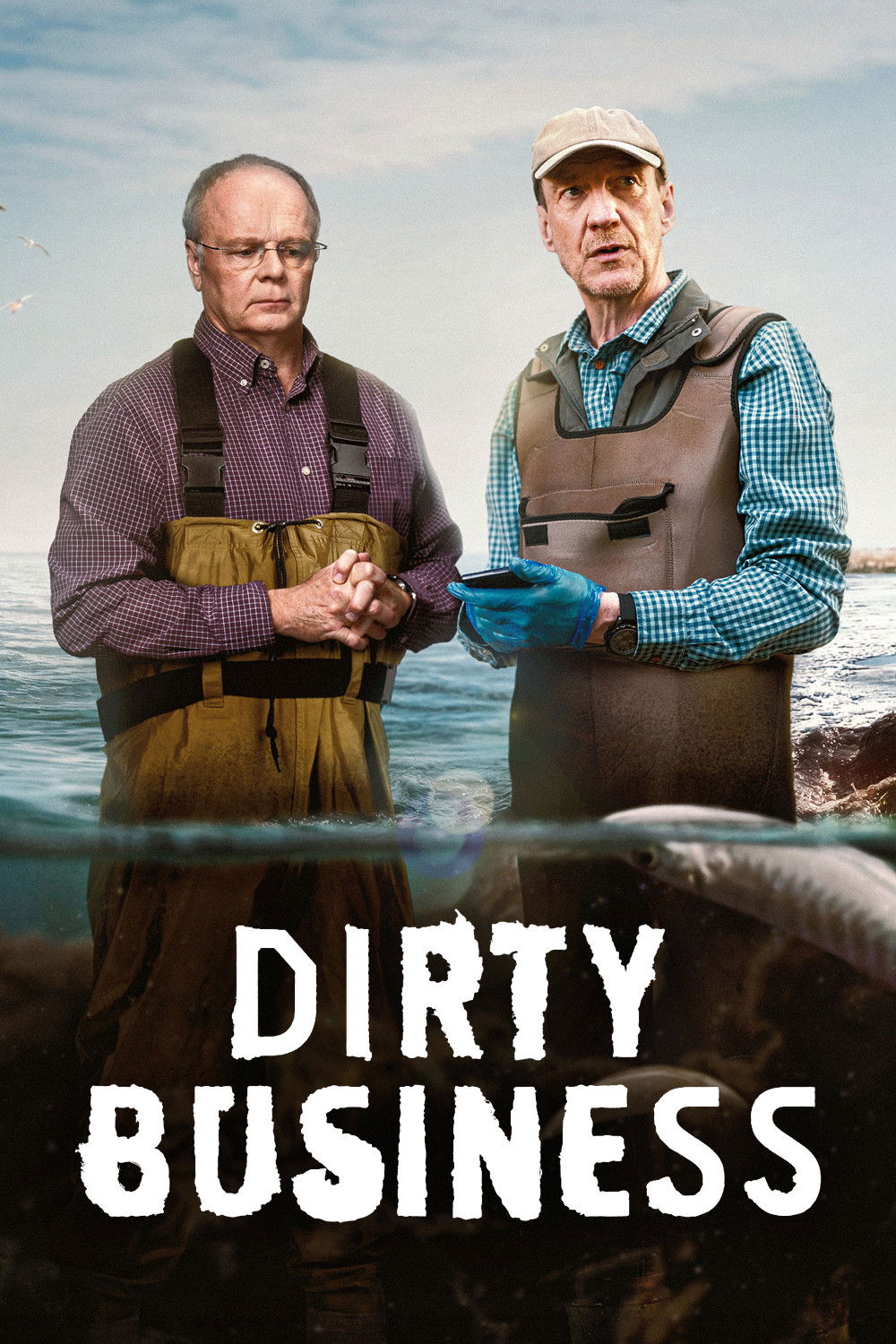
This gripping three-part docudrama on Channel 4 starts on a summer’s day on a Devon beach during the holidays in 1999. Happy families are shown playing in the sand and surf in bright sunshine like any other day. It wasn’t a day like any other for the Preen family who were there with their two daughters. It was the day their younger daughter Heather accidentally landed in a raw sewage puddle discharging from a South West Water pipe illegally dumping onto the Blue Flag beach. She contracted E. coli O157, a particularly virulent form of the bacteria which is frequently in sewage. 12 days later, little Heather was dead.
This is just one example of the human cost of privatisation and deregulation, where every safeguard is stripped away in the name of removing bothersome regulation as a barrier to profit making. The indifference of company and regulator, which sees a child’s death as unfortunate collateral damage around which the communications are managed and blame deflected, is staggering. The Environment Agency didn’t test the water until a month later despite repeated reports of dumping and severe enteritis cases reported by the local GP at the time.
In 2016, neighbours Ash Smith and Professor Peter Hammond, who live on the Oxfordshire river the Windrush, formed WASP – Windrush Against Sewage Pollution. They had observed their previously crystal-clear river turn brown, opaque and dead with sewage dumping. With their complimentary skills and tenacity, Hammond, an expert in ‘machine learning’, and Smith, a former police officer who caught bent coppers in the London Metropolitan Police, produced extensive reports using systematic sampling and the water companies’ own data sets, showing the phenomenal scale of the illegal sewage dumping along the River Windrush.
Through the use of Freedom of Information requests and the help of brave, frontline workers who put their livelihoods at risk by acting as whistleblowers from the water companies, the series plots the scale of illegality throughout the whole water industry.
It reveals systemic corruption of the regulator, the Environment Agency, which established an ‘operator self-monitoring policy’ that allowed the water companies to monitor and report their own spills. Failure to do so was not prosecuted despite the ability to do so. Polluting was profitable with billions of pounds being taken out in dividends while almost no investment was put in after Thatcher privatised the companies in 1989. The revolving door between regulator and water company management proved so attractive, and the relationships so skewed, that enforcement was impossible.
The purchase of Thames Water by Australian bank and asset manager Macquarie Group, or the ‘Vampire Kangaroo’, in 2006 marked a severe decline in compliance. Assets including land and pumping stations were sold off for shareholder benefit while the treatment facilities, pipes and test systems fell apart though age and lack of maintenance.
There could not be a clearer tale of how corporate capture of government and regulators lead to catastrophic failures of public and essential services and the consequences for ordinary people who rely on those services to keep them and their families safe.
The clear remedy is to take back water under democratic public control renationalised with no compensation for fat-cat shareholders, only on the basis of proven need to prevent further damage to health and the environment. The series is a must watch and is available on Channel 4 now.
