


Lessons on the character and limits of right-populism in government in Europe
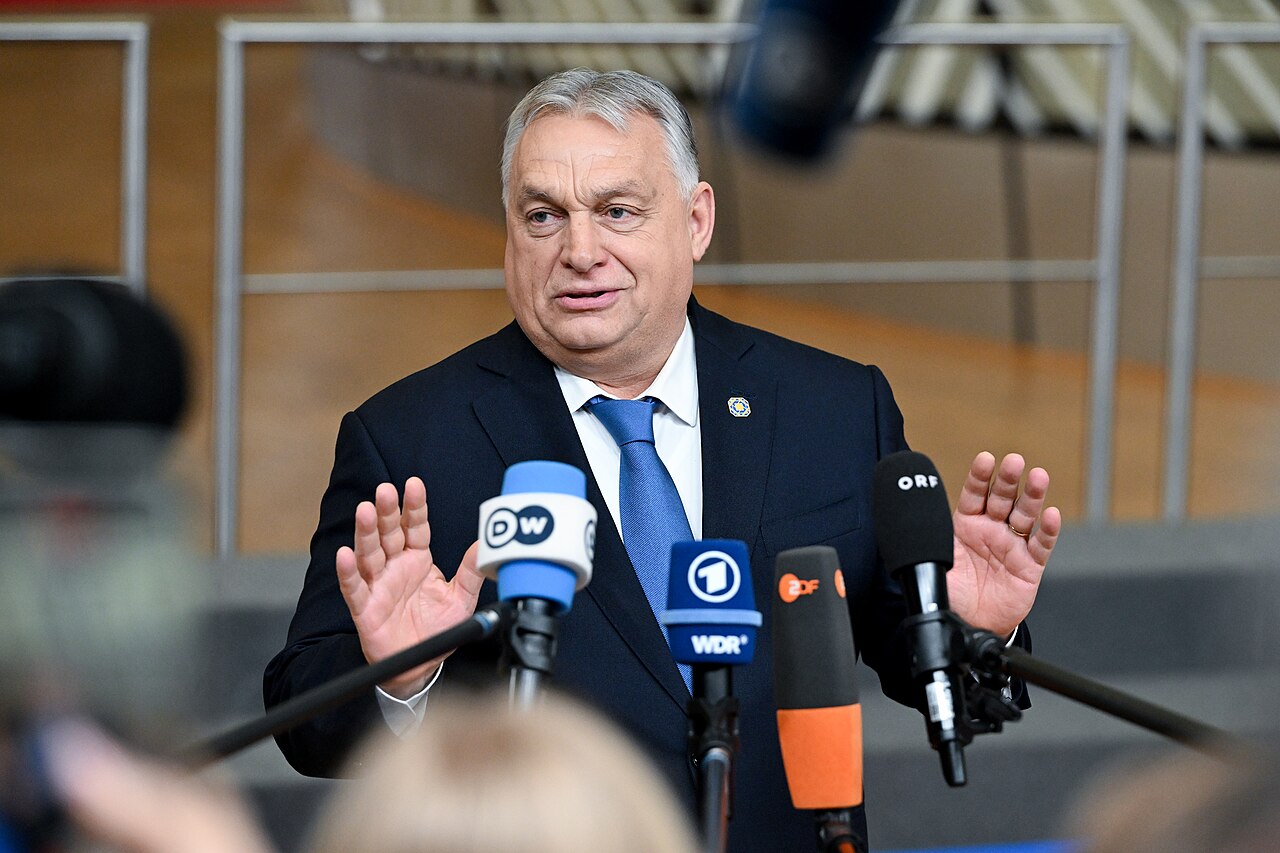
Viktor Orbán has conceded defeat in Hungary’s parliamentary elections, ending the first and longest ‘experiment’ in right-populist government in this era. At the time of the election on 12 April, Orbán was the longest serving leader in the European Union. Steve Bannon, the far-right podcaster and former adviser to Donald Trump, once described him as “Trump before Trump”. Many of Trump’s domestic policies, especially in his second administration, were pioneered by Orbán. But the ‘endorsement’ of right-populist politicians, including the high-profile eve-of-election visit to Hungary by US Vice President, JD Vance, counted for little in the end.
The scale of Orbán’s defeat is huge. In the party-list component of the election, his Hungarian Civic Alliance party, known as Fidesz, contesting in alliance with the Christian Democratic People’s Party (KDNP), lost over 800,000 votes compared to the 2022 elections, falling from over three million votes to 2.2 million. In total, Fidesz-KDNP lost 79 seats in the 199-seat parliament. This was on an 80% turnout, the highest in the history of capitalist democracy in Hungary, introduced in 1990 after the end of Stalinist one-party rule.
The opposition Respect and Freedom party, known as Tisza, has secured a super-majority of 136 seats, i.e. over two-thirds of the seats in parliament. This gives it the power to amend the constitution. This was a position enjoyed by Orbán in all four of his parliamentary terms too. He used it to make substantial changes to the Hungarian capitalist state and its laws in order to build a so-called ‘illiberal democracy’. However, Tisza has exceeded even Fidesz-KDNP’s highest vote by over 50,000. The verdict on ‘Orbánism’ after sixteen years in power is that it failed to solve any of the fundamental issues confronting post-Stalinist capitalism in Hungary.
