


David Maples, Brighton Socialist Party and Socialist Party disability caucus convenor
The Trades Union Congress (TUC) Disabled Workers Conference on 19-20 May meets less than two weeks after Labour’s humiliation in the May elections.
Most years this is a largely uncontroversial conference dominated by the myriad of everyday issues confronting disabled workers. This year is different.
After 14 years of Tory government, many disabled workers hoped for something better. These hopes have been cruelly dashed. Labour’s Budget in October 2024 included a tightening of Work Capability Assessments. In March 2025, Labour announced a continuation of £5 billion of benefit cuts inherited from the Tories.
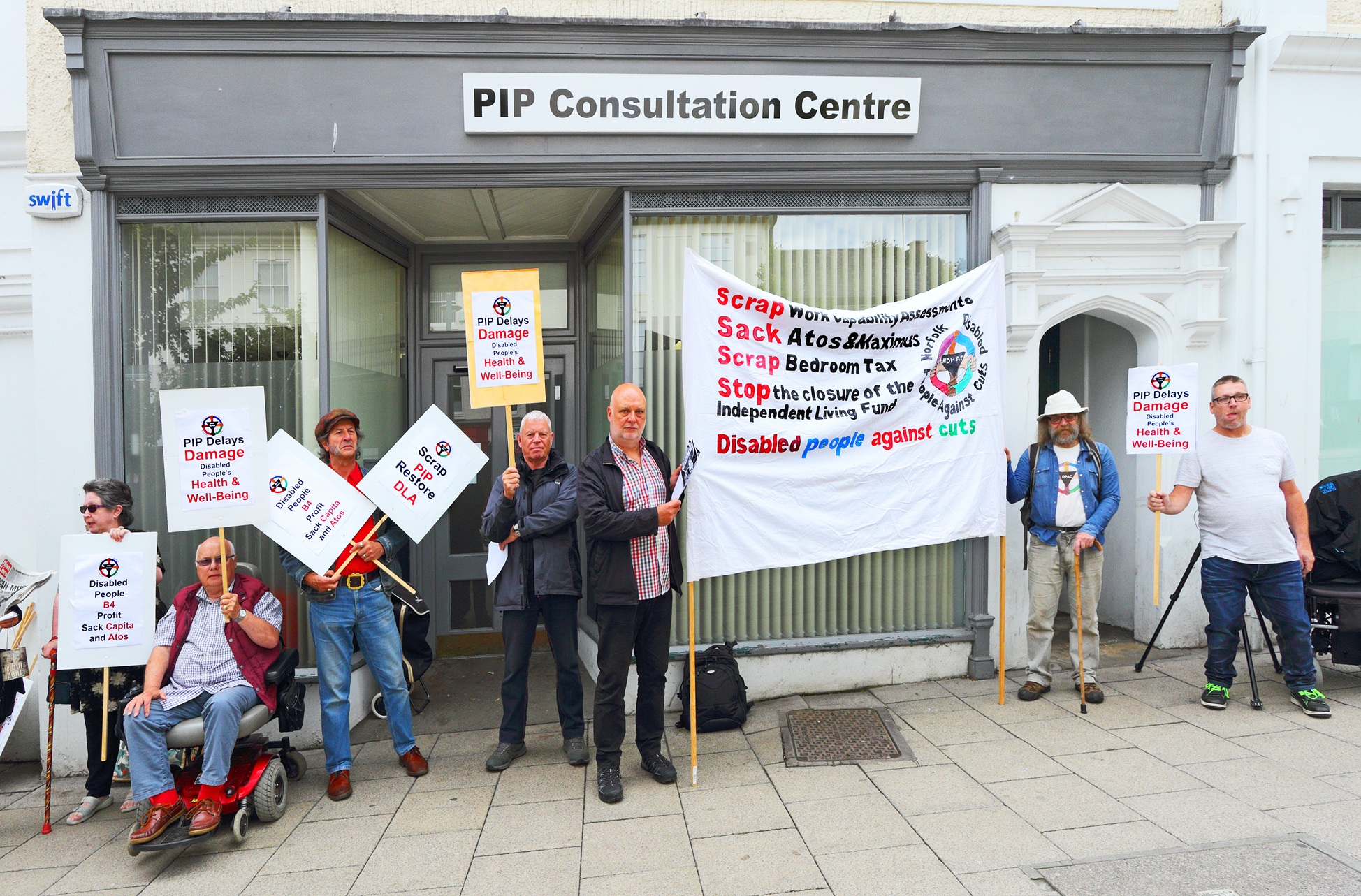
This provoked a big reawakening of disability activism, which had been severely set back by the pandemic. Despite all the obstacles in front of us, disabled activists launched a sustained campaign which shook the Labour government and literally reduced the chancellor, Rachel Reeves, to tears. 150 Labour MPs threatened to vote against the cuts.
The campaign was reflected within the trade union movement by motions passed at last year’s TUC Disabled Workers and Trades Council Conferences. Motion 38, ‘Disabled workers oppose welfare reforms’ was passed unanimously at TUC Congress in September 2025.
Actions in Motion 38 included to organise a demonstration and lobby of Parliament in support of disabled workers, and to organise a weekend demonstration against Labour austerity as a launchpad for sustained trade union action in defence of workers and young people.
Delegates spoke passionately at 2025 Congress. Angela Hamilton from Unison said: “Who can forget Stephen Timms interrupting the debate to announce concessions just before the vote? Let’s be clear, we might have won the battle but we haven’t won the war.”
Amy Bishop from Prospect said: “They may have taken the PIP plans out of the bill but the scope of the Timms review of PIP is wide-ranging, with the target of making PIP ‘sustainable to support generations to come’. And I think we can all agree that that pretty much always means cuts”.
Alan Hackett, NASUWT, said: “The current government has made it very clear that they’re not going to just continue the war on disabled people, but they are going to escalate it.”
The TUC General Council supported the motions, with the caveat that “The TUC will consult with the General Council on the most effective and most accessible forms of action”.
Delegates will therefore be surprised to read that the report to conference includes:
“On 1 July the government announced they were not going to proceed with the changes. The conference motion to Congress, now policy, called for the TUC to coordinate and organise protests against the proposed changes to PIP. However, swift and effective lobbying by the TUC, trade union movement and disabled people’s organisations had forced the government to change its policy direction and so these were not needed.”
Socialist Party members and other activists will argue for delegates to reference back that section of the report. Delegates should also back Motion 1 ‘Protect the PIP daily living component’, which goes from GMB to Congress this year.
The Timms Review is due to report in the autumn so pressure on the TUC to take action is essential. The National Shop Stewards Network (NSSN) lobby of TUC Congress on Sunday 13 September can play a crucial role in concentrating this pressure. DPAC (Disabled People Against Cuts) and other disabled peoples’ organisations are warmly invited to coordinate with the NSSN.
The TUC should name the day for the weekend demonstration against Labour austerity. For many disabled people this is the fight of our lives.
