


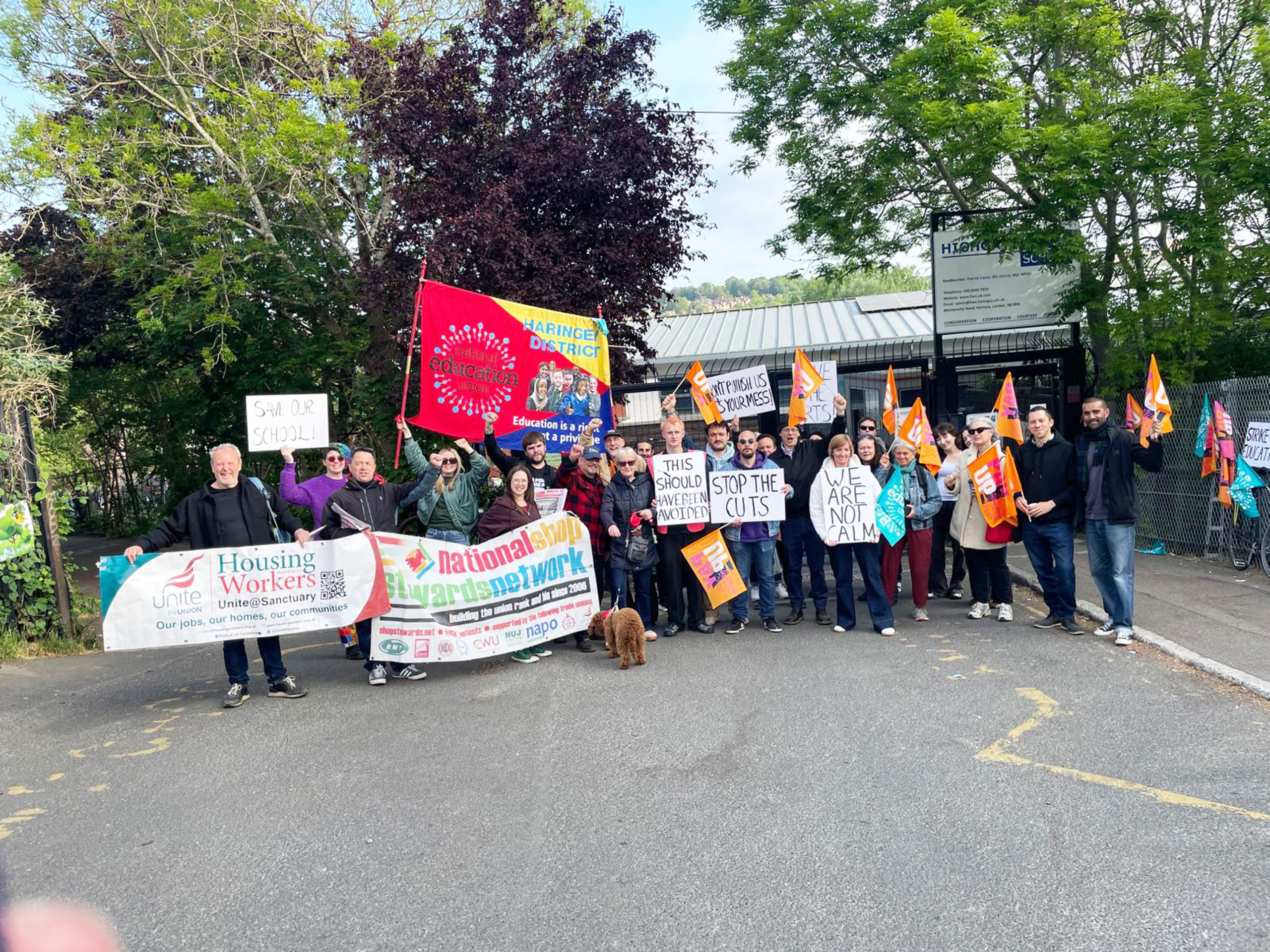
Dan Warrington, NEU Executive member, personal capacity
On 9 May, the National Education Union (NEU) National Executive voted to open a formal ballot of all state school members in the autumn term on the issues of pay, funding and workload. Should the government not commit to a fully-funded pay offer for teachers that exceeds inflation, that prevents the need for redundancies and rises in workload, the NEU will ballot for its teacher and support staff members from 3 October to 15 December.
The decision follows 200,000 education workers voting for action earlier this year in an indicative ballot. Everyone in education knows the situation is appalling. NEU general secretary Daniel Kebede said: “The cracks in our education system are obvious to all. Schools are running on empty. Pay and workload issues are driving many out of the profession, resulting in a recruitment and retention crisis that is directly impacting on the education of our children and young people.”
Socialist Party members in the NEU have long argued for national action on the issues of workload, funding and pay. Socialist Party members on the Executive argued for an earlier start date, to enable action to take place in 2026, but this was not agreed.
But the public announcement of a date to open a formal ballot is the strongest commitment to national action from the union’s leadership since the strike action of 2023. Those seven days of strike action secured a 3% increase in the teacher pay offer, and additional funding to pay for it, from Rishi Sunak’s Tory government. Socialist Party members argued that more could have been won if union leaders had held firm and intensified action, as was seen with the junior doctors at the time.
Following the disastrous local election results for Labour, Starmer’s government is in an even weaker position that that of Sunak.
With strong leadership, education workers could extract major concessions from government and force a halt to austerity in the education sector. Against a backdrop of war and rising inflation, high-profile action taken in one part of the public sector could encourage action against austerity in other public sector areas, as was seen in 2022-23.
The other unions which organise support staff are part of the NJC (the body through which local government pay is negotiated) and they will be balloting from 6 July to 9 August. The NEU exec correctly made it clear that we stand in solidarity with those unions and want to act in unity.
Securing a national strike ballot under the turnout thresholds imposed by the UK’s anti-union legislation will be a challenge. Starmer’s Labour government has repeatedly delayed implementation. The union leadership will have to take a strong lead to harness the anger of educators and build the profile of the ballot prior to its launch in the autumn to ensure thresholds are met.
The trade union leadership needs to rise to the challenge and demonstrate that an organised working class can not only stall decline, but can win improvements for the lives of workers. In the NEU currently, building to win a national ballot is the first step down that road.
