


Ben Golightly
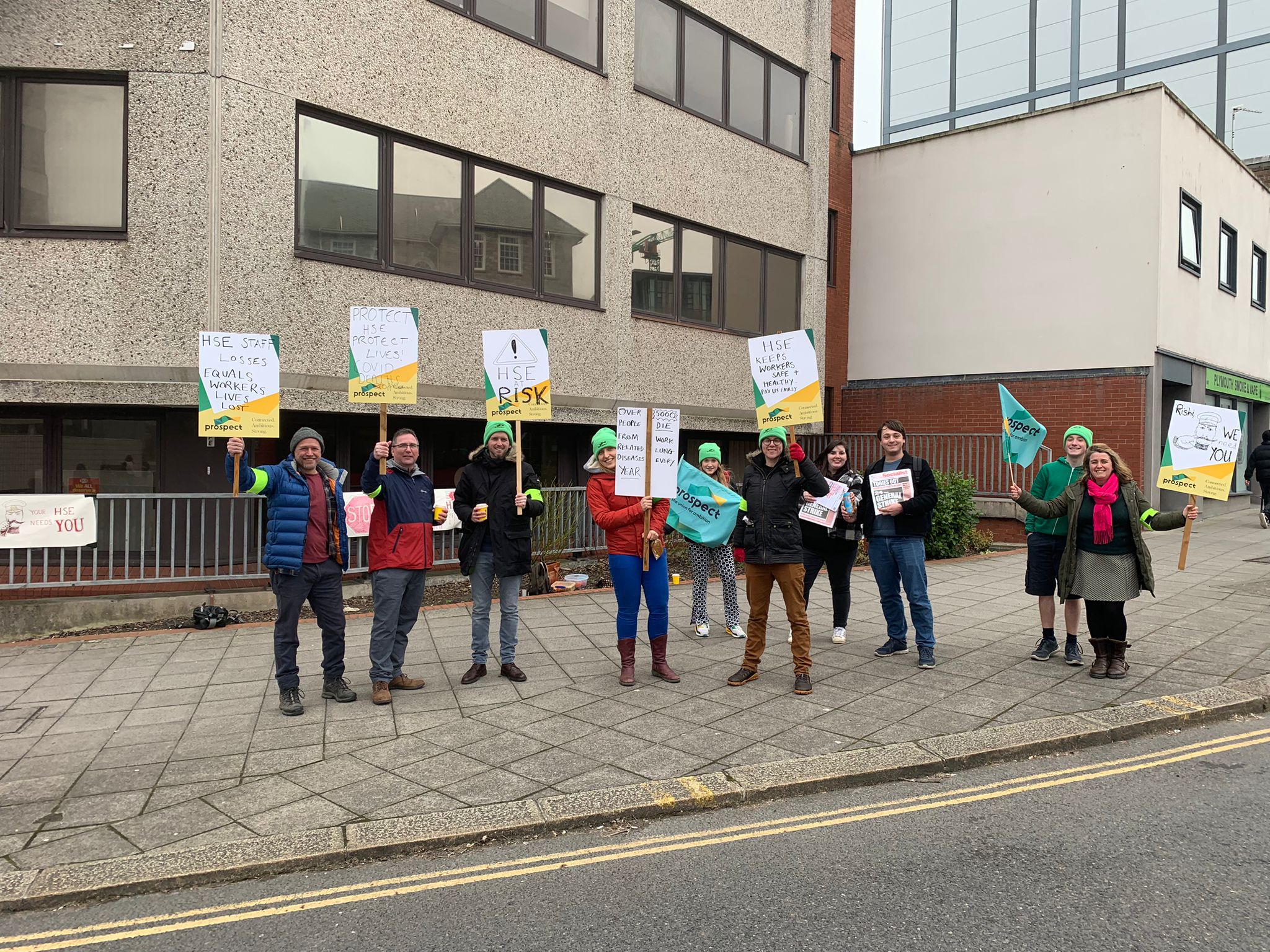
I was privileged to attend the Prospect union’s biennial conference in Brighton, as a first-time delegate. Members of Prospect include tech workers, scientists, engineers and other specialist workers, in both the public and private sectors.
Many people think politics isn’t for them; that nothing makes a difference. But the conference of even a traditionally conservative union offers the opportunity for members to elect delegates to debate the issues, rub shoulders, set policy and put pressure on the leaders. I found attending the conference a genuinely fantastic experience.
The Prospect leadership prides itself on being the ‘grown-up in the room.’ In reality, this means taking an approach of ‘partnership’ between workers and bosses, attempting to avoid conflict.
But this conference showed that the reality of austerity and the cost-of-living crisis means Prospect’s leaders are increasingly under pressure from the members, who find that approach is becoming harder to swallow.
Consequently, the general secretary, Mike Clancy, a self-described Blairite, has increasingly made statements challenging the Labour Party. This follows internal polling showing dissatisfaction with Labour.
Austerity was highlighted in the debates on issues like racism, trans rights, and protection of migrant workers, as well as cuts to services and job losses. The discussion on the impact of AI on workers demonstrated the need to fight for more workers’ control of its use.
The general secretary has paid great attention to detail in spelling out exactly how Reform’s manifesto would negatively impact Prospect members in individual workplaces, particularly in devolved nations. But if the trade unions do not mount a fight against Labour’s austerity then a Reform government is more likely.
It is unfortunate that the warnings about Reform have not been matched with preparatory action. A motion for Prospect to establish a strike fund was decisively defeated after a polarised debate. Many delegates felt that to strike without pay shows you really mean it, and that would have more effect on a ‘reasonable’ employer. That the issue keeps returning, however, shows that many members are drawing the conclusion that more action is needed.
Prospect’s leadership enjoyed a 70% majority on many motions. But on a whole host of questions it was much closer, and just a 5% swing would have changed the result. 2028 conference will be one to watch.
Generally, it was social issues where conference delegates challenged the leadership. Votes were extremely close on fighting disability cuts and opposing the sham Timms Review, and on student debt forgiveness. While expressing sympathy, the National Executive Committee did not want the union to provide a lead.
The leadership was defeated outright in favour of clear support for trans rights, and on boycotting companies that profit from genocide.
An embryonic broad left has begun around an initiative called ‘Democratic Prospect.’
In another indication of the pressure they are feeling, Prospect’s leaders spent time attacking ‘factionalism’ during the conference.
Prospect delegates were not in the mood for theatrics, but did want serious debate around the arguments. For example, the union represents defence workers, and many members are wary of ham-fisted ‘left’ calls to close workplaces without a positive alternative. But a serious debate around a programme for democratic nationalisation and a transition to socially useful production that protects jobs, pay and skills would be different.
A serious left in Prospect, that wins delegates to the best way forward, is what Socialist Party members stand for.
