


Marco Tesei, UCU National Executive Committee member, personal capacity
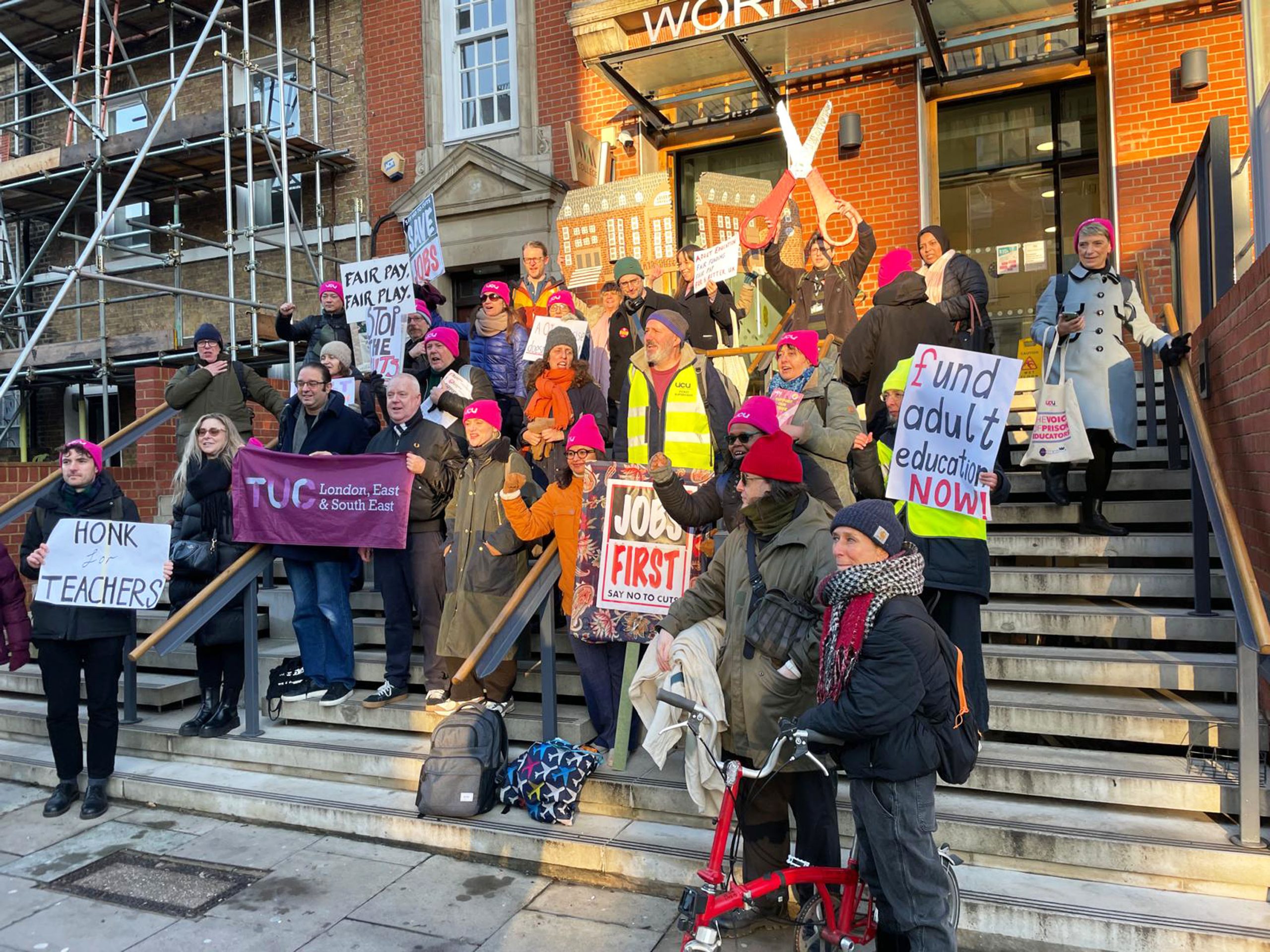
At the Further Education Sector Conference (FESC) of the University and College Union (UCU) in May, delegates voted decisively for UCU to prepare for national action in the 2026-27 academic year (see ‘UCU Congress votes for nationwide strike action’ at socialistparty.org.uk). Translating conference decision into strategy and action was the key task of the first meeting of the new Further Education Committee (FEC) on 26 June.
It is becoming increasingly clear to UCU FE members that a bolder, more concerted effort is needed to win the funding FE needs, and that the strategy presently on offer from the union leadership is not up to the job of winning for post-16 educators.
FE workers face a deepening desperation as pay continues to fall behind that of schoolteachers during a cost-of-living crisis already affecting all workers. Ever-increasing workloads have caused unprecedented levels of sickness this year.
Conference decisions
In the heated debate at the conference, National Executive Committee (NEC) and Socialist Party member Duncan Moore moved one of three motions calling for an aggregated ballot for industrial action in 2026-27.
In contrast, supporters of the general secretary, Jo Grady, and the union’s head of FE argued – as they have for years – that ‘now is not the time, branches are not ready, first we have to build local density’ and so on. The conference emphatically rejected that; delegates voted against a motion that postponed any further decisions until 2027, and voted for an aggregate ballot.
Of course, establishing a policy is not the same as implementing it. Anyone fighting to ensure that step is actually taken beware – it may mean a migraine or two along the way!
With some foreboding, Socialist Party members on the FEC, which is dominated by supporters of general secretary Jo Grady, submitted a motion “to begin preparations for an aggregated autumn ballot immediately, allowing industrial action in the autumn term”.
Our allies in UCU Left presented a similar one, although motion 1, which I moved, went beyond calling for our democratic processes to be respected. As well as explicitly calling for an aggregated ballot, it spelt out that what is most needed now is a “strong national lead with a clear strategy”, alongside a dynamic ballot campaign beginning immediately.
Outrageously, the papers circulated a few days before the FEC – after motions had been submitted – included recommendations which in essence repeated the argument rejected by conference delegates that branches are not ready and postponed balloting until Autumn 2027. This was nothing less than an attempt by the union leadership, supported by the officialdom, to overturn the decisions of FESC – and in doing so scupper the chances of tens of thousands of workers taking collective action for another twelve months. Please use your own word to define an act of that sort!
However, the contributions of determined left committee members saw both motions pass and the ‘recommendations’ rejected. We argued that in June the Association of Colleges (the employer body) warned that without significant increases in funding, “a very low pay award, possibly zero” may be recommended. Yet we have an extremely weak government and Andy Burnham likely to become prime minister. We must step up the pressure. The NEU is also preparing a formal ballot for October. Now is the time for our union to act.
Socialist Party member Duncan Moore also moved a third motion calling on FEC to “approach other teaching trade unions, including the National Education Union, to organise a national Saturday demonstration calling for more funding for education.” This carried too.
This is despite the left’s minority position on the FEC. It shows that there are those who stood for election on the ‘UCU Commons’ and ‘Campaign for Union Democracy’ slates, traditionally most supportive of the general secretary, who can be pressured by the arguments – and by the prospect of having to face the membership!
Still need to keep up the pressure
Following the FEC, our industrial action strategy is in a stronger position. However, we will need to continue fighting at every stage for the proper and timely building of national action this autumn.
Jo Grady’s strategy has exposed itself for what it really is. Not a thought-out game plan at all, but simply a timid abdication of responsibility that, as pressure to act grows, is prepared to ignore democratic decisions to push the will of members back.
To keep on the pressure, members and reps need to organise and campaign to get the ballot under way and to get over the line, without further setbacks or being undermined. That should include organising branch and regional meetings, and coordinating sending motions in support of the strategy and to demand a special FEC to set ballot dates.
For strike action of all FE England colleges before Christmas!