


Thomas Butler, Liverpool North Socialist Party
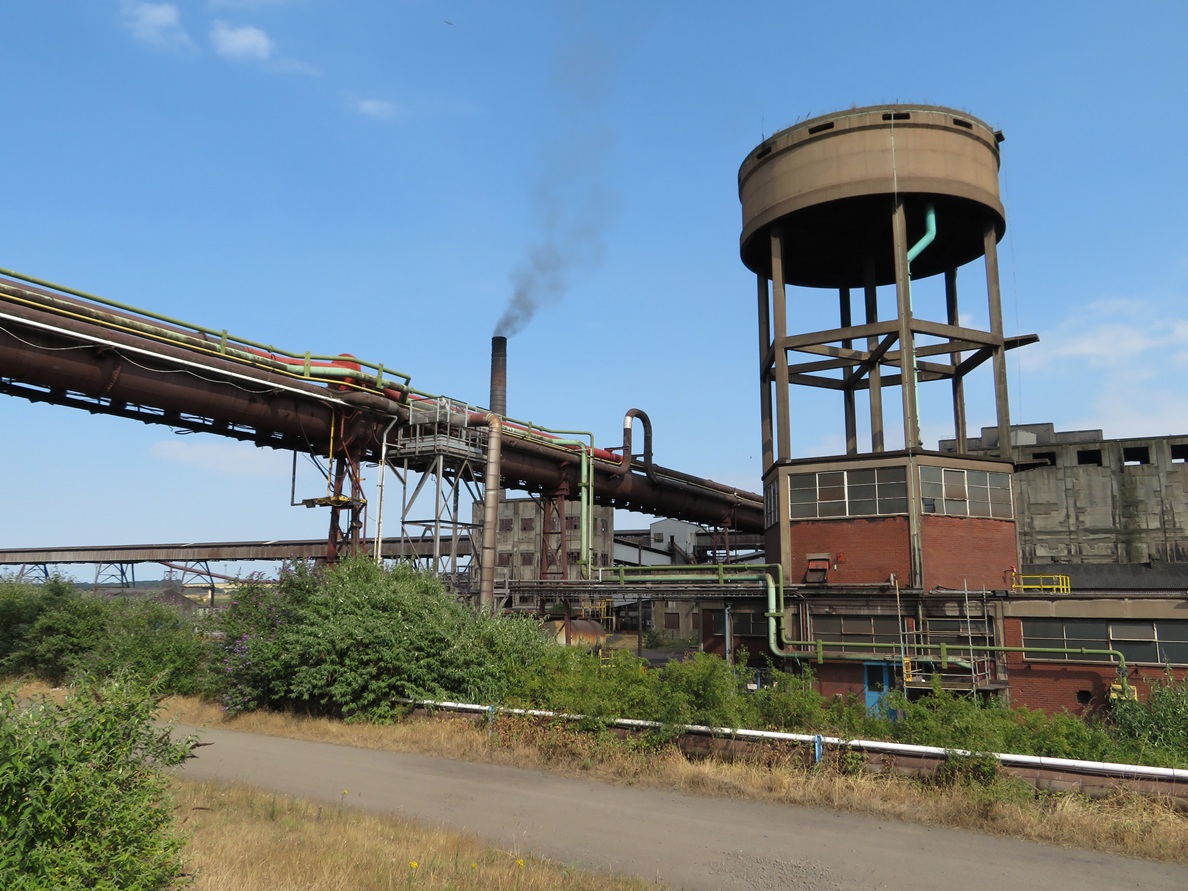
British Steel, owner of Scunthorpe steelworks, which employs thousands of workers, has been nationalised. This is not the start of a post-war style sweep of nationalisations! After seven years of staggering along and the government mucking about, it has been forced to fully nationalise the company, taking it out of private hands.
Keir Starmer was keen to pat himself on the back for stepping in to secure British production of steel and the thousands of jobs British Steel provides. However both Conservative and Labour governments have bent over backwards to try to keep British Steel in private hands.
When in 2019 British Steel was put into compulsory liquidation, the then-Tory government bounced British Steel into another set of private hands – the Jingye group. Since then, the government has pumped in hundreds of millions over years to keep the steelworks functioning and making money for the Jingye group. Nationalisation was only considered when Jingye prepared to close down the blast furnaces, making them uneconomic to start up again, resulting in thousands of job losses and the end of steelmaking in Britain (after the closure of the steelworks in Port Talbot a year before).
Bosses’ nationalisation
For the bosses and their politicians, nationalisations are not taken lightly. And when they do they are desperate to hand it back to a private company to run for a profit again. And that means making it attractive, with more investment poured in and could mean attempts to hit workers’ pay and conditions.
Putting an ‘HM government’ sticker onto British Steel will not guarantee genuine change for British Steel workers. We need not just nationalisation but nationalisation under democratic workers’ control and management – put the people who know how best to run it in charge. Otherwise you will still have the highly paid bosses, the lack of financial transparency and crucially a lack of workers’ democracy, with managers and bean counters making the decisions – not the workers themselves.
Jingye has already put the pressure on that they deserve compensation. This after running down the company for years while the shareholders get rich! Compensation should only be provided on the basis of proven need – no more to the fat cats.
A genuine socialist plan of production can meet the needs of workers and our communities by ending the looming threats of closures and getting rid of the profit-driven race to the bottom. Taking the big businesses that dominate the economy into public hands would mean we could plan production to provide what we need, to invest in industry and our communities, and provide a decent standard of living for us all, not maximise the profits of a few.
