

Bristol Socialist Party
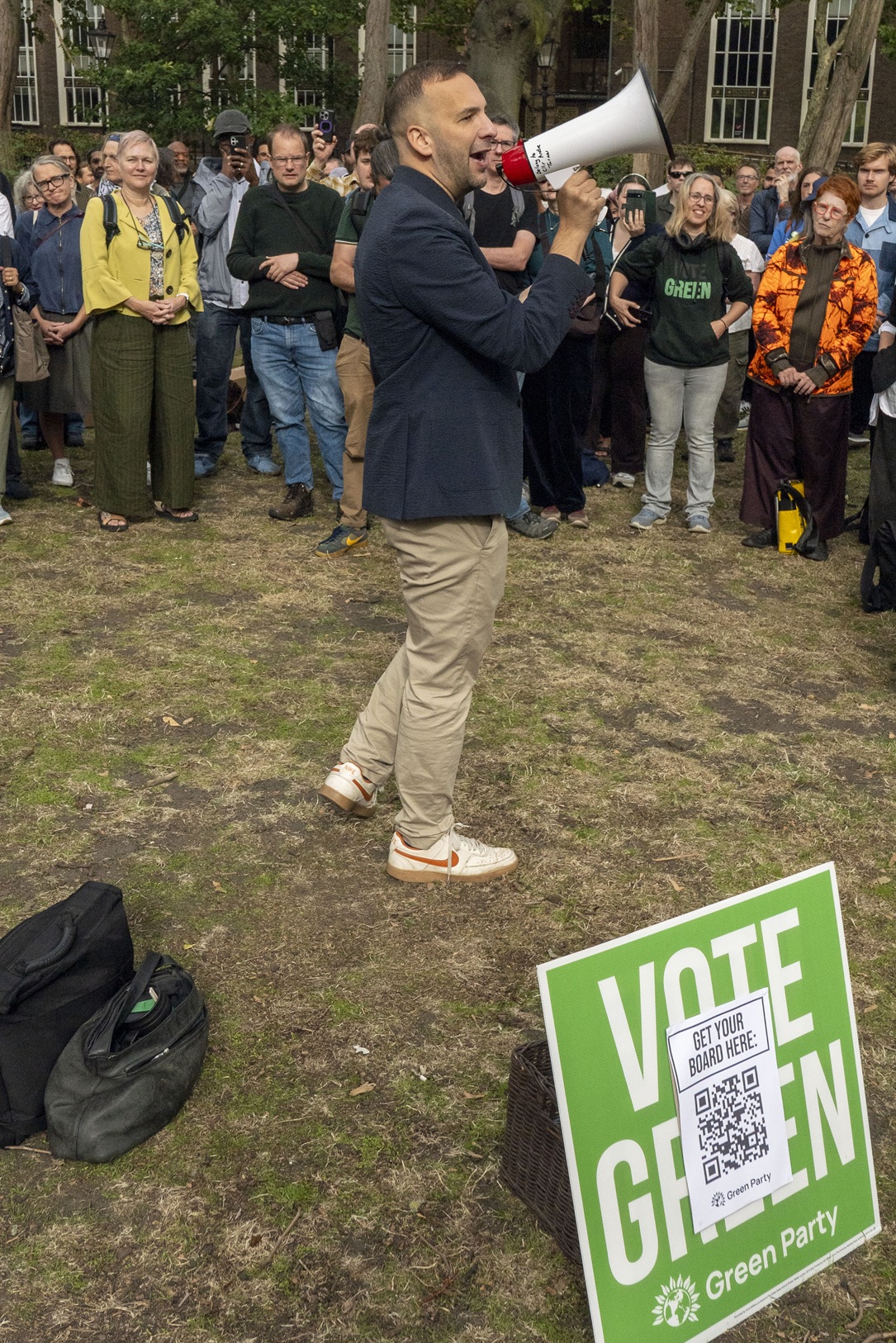
The Greens are the biggest party on the council in Bristol, the eighth-biggest city in Britain. Bristol has a population of almost half a million people and in 2026 had a budget of £850 million. In the last local government elections in the city in 2024, the Greens won 34 of the 70 seats. Labour has 19, the Lib Dems have nine, the Tories have seven and there is one independent councillor. Green councillor Tony Dyer was appointed leader of the council, and committee chair positions were shared among the Greens and Liberal Democrats.
On 16 October, Bristol City Council began consultation on its 2027-28 budget containing another £32 million of spending cuts for 2027. This comes on top of years of austerity that have left council services cut to the bone.
As with all council consultations, this budget consultation is written with a healthy dose of euphemism to disguise what the real impact might be. But there is no hiding that these cuts will make life harder for many working-class people. For example, the council claims it will save money by providing more supported accommodation for young care leavers but concede the changes could “reduce the availability, suitability, or stability of their accommodation or support.”
Under the heading “Helping people with dementia stay at home for longer” in the council’s ‘Savings proposals table’, it proposes to help people stay in their homes for longer. But the ‘equalities impact consideration’ acknowledges that the £300,000 cut to residential or nursing care is likely to impact women who are more likely to be unpaid carers or disabled adults. Adult Social Care is one of the areas for which Green councillors are responsible.
The council wants to save over £5 million from mental health support, including for children, by trying to pass the cost to the NHS. They claim that it won’t affect the support people receive, but the NHS mental health services are already stretched to breaking point.
‘Savings’ and ‘reviews’
There will be a “review” of care services provided directly by the council, potentially leading to their closure and the transfer of services to the private sector. A consultation on the future of Redfield Lodge, the one remaining council-owned residential care home in the city, states that provision is much cheaper in the private sector and claims “there may be enough independent care providers to support the population in Bristol.” A further “review” calls into question the future of day-care centres, and they propose cutting £250,000 from the transport to school for disabled children.
Council plans to partially staff libraries with volunteers are reminiscent of David Cameron’s ‘big society’, which was a cover for huge public sector cuts. They have been opposed by Unison, the trade union representing library workers, who point to the safety risks and concerns that opening hours would become less reliable.
Austerity isn’t necessary. The council could use some of the £193 million in its usable reserves and mobilise a mass campaign to fight for the money from central government needed to provide all the jobs, homes and services needed in Bristol. The colossal profits of big business show that the wealth exists in society to provide the jobs, homes and services that we need, but it’s in the wrong hands.
But mass pressure can win concessions. Even the previous Tory government had to give improved pay deals to workers when faced with the mass strike wave beginning in 2022. This is an important lesson for the anti-cuts movement.
Keir Starmer was hated and pushed back by mass anger on cuts to the winter fuel payment and disability support. To be able to continue, Andy Burnham has to pose as an alternative. Bristol council could now put that to the test by demanding central government funding for the jobs and services we need.
Over the last 16 years, councils of all political makeups have meekly passed on government budget cuts. The unpopularity of all those governments is shown in the fact that Burnham is the seventh prime minister in ten years. If councils had refused to do their dirty work, the fight against austerity would have been strengthened.
With the Bristol council leadership now consulting on more cuts, a new phase in the fight for jobs, homes and services in the city has begun. A crunch point is coming for Green members and councillors who oppose austerity. They will be faced with a clear decision – do they accept this budget or do they fight? Given the council make-up, even a small group of Green councillors refusing to vote for this cuts budget and presenting an alternative based on need could change the situation.
Council’s spending power
Councils have power and resources to fight back. Together they control budgets of £150 billion, one-fifth of public spending. If the Green minority administration in Bristol linked up with the eight Green-led councils, they could, for example, begin a mass building programme of eco-friendly affordable council homes. The same goes for all the issues that have been raised in the consultation process. The council could start to implement what is needed in Bristol and in that way mobilise mass support to take the campaign to Burnham for the money.
The background to the latest Bristol budget consultation is a growing wave of mass struggles by workers and young people across Europe. Trade unions in Britain in further education, probation, consultant doctors, and the civil service are preparing for national strike action.
Students across the continent are organising for the international youth strike on 20 November, ‘Fight for our futures, not their wars’. The Young Greens are one of the organisations backing it in Britain. Green members and councillors should follow their lead in fighting back, not acquiescing to the demands of the capitalist establishment.
This isn’t a question of waiting for Burnham to announce national funding. Campaigning has succeeded in pushing back cuts in Bristol. Marksbury Road Library was saved from closure with a local campaign led by the Socialist Party ten years ago. It has remained open and is a thriving local library since. Pressure in the last two years has seen roll-backs on proposed cuts to museums, public toilets and the Bottle Yard. Council trade unions have clear anti-cuts positions too, and could lead a mass campaign along with local communities.
Even a handful of rebel councillors in Bristol refusing to vote for this cuts budget and instead linking up with the movement in the city to present a no-cuts budget based on what is needed would take the anti-austerity struggle forward.
