


Joe Fathallah, Cardiff East Socialist Party
According to the 2026 State of the Climate Update published by the World Meteorological Organisation, the twelve warmest years on record have been the last twelve. And the warmest four, the last four. Sea levels are the highest ever recorded. Against this disturbing backdrop, the 2026 UN Climate Change Conference, or COP31, met in Antalya, Turkey, 9-22 November. Over 100 fossil fuel companies and associated groups sent their own delegations to Turkey – determined to protect the profits of their industry.
At the opening of COP31, UN Secretary-General Antonio Guterres declared the objective was to ‘organise, finance and deliver’ a move away from fossil fuels. And yet the outcome text contained no reference at all to this and the summit ended with no deal, despite the longest talks in its history.
Meanwhile, Donald Trump, Xi Xinping and Vladimir Putin, all absent from the COP31 event, met thousands of miles away in Shenzhen, China. The leaders of the world’s three biggest powers – and major polluting nations – agreed to a joint statement which, among other things, committed to an increase in oil production! In other words, the COP paper commitment to avoiding a critical 1.5oC increase in global temperatures is abstract and meaningless.
Burnham hypocrisy
Andy Burnham spoke at COP31 on 12 November, largely boasting about keeping to existing climate commitments. The problem is that these commitments are things like the 2050 net zero emissions target – far too late to make a difference. And Burnham’s speech was conspicuous for what it omitted. The Rosebank oil and gas field in the North Sea is currently having its licence reviewed by the UK government, with a decision expected by the end of the year. There has been no commitment by Burnham to transition this production to renewable energy, utilising existing skilled workers and technology.
The rapid development of AI technologies in the last few years has created a new requirement for large data centres, which consume huge amounts of electricity and generate significant heat. This can only accelerate the warming of the planet. And yet, right when we most need decisive action, the major capitalist leaders are apparently giving up on their system ever being able to get a handle on the problem.
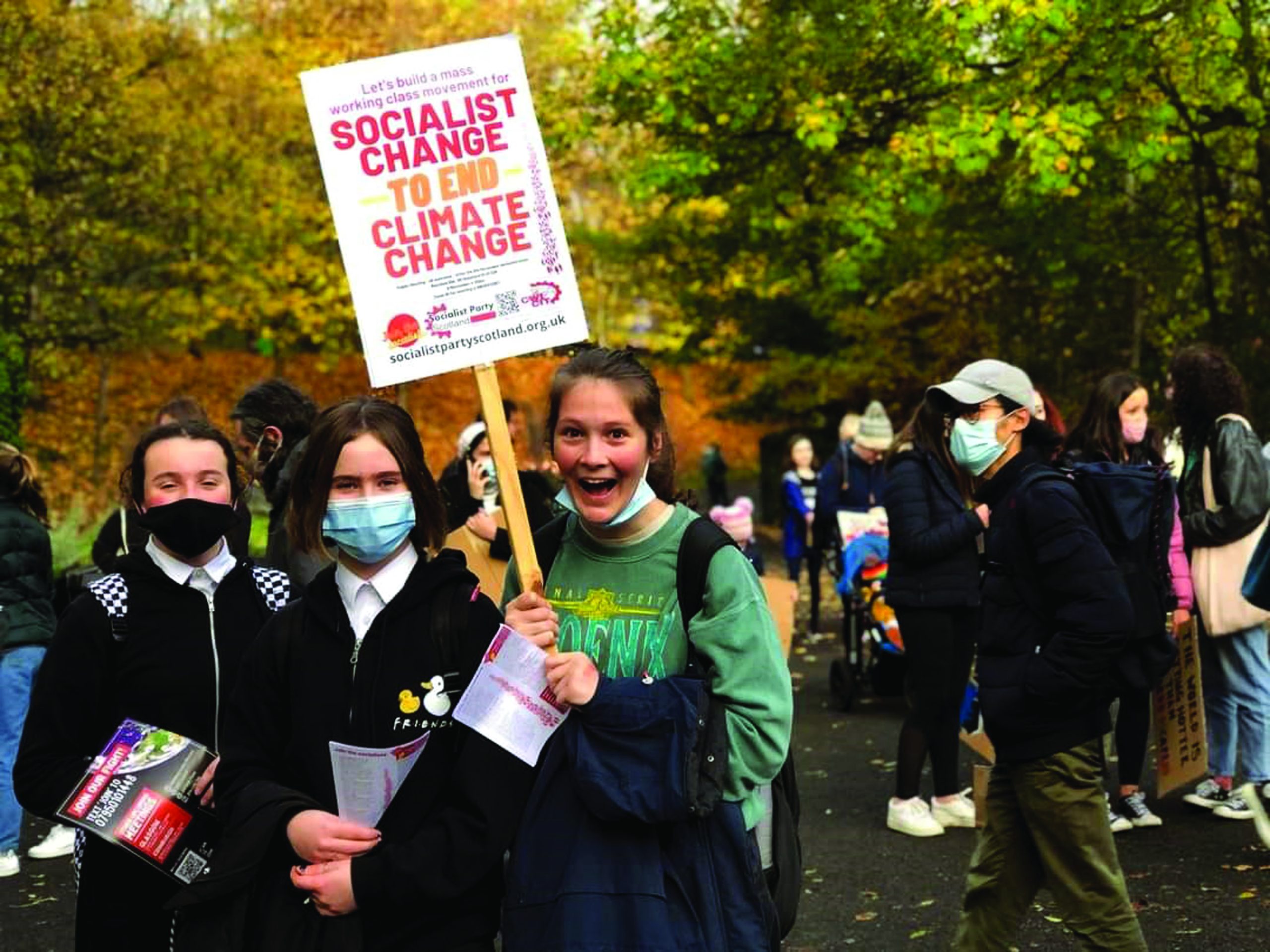
In one sense, they’re right. Getting climate change under control, and mitigating its worst effects, would require international planning and cooperation. Capitalism, a system driven by short-term profit and administered by governments in the pockets of large fossil fuel companies, has long shown that it is incapable of this. Now more than ever, we need democratic socialist planning on a world scale to implement the transition to renewable energy, invest in massive research and development of new technologies, and deploy flood defences to vulnerable coastal areas. The clock is ticking on our planet, and the struggle to put an end to the profit system ever more urgent.