


Fight for nationalisation and workers’ control
Editorial of the Socialist issue 1317
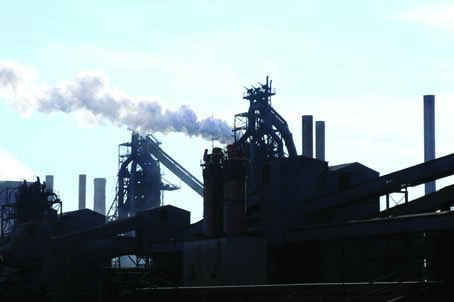
‘A change of control, not of ownership’, a team of government officials is now in charge of the British Steel steelworks in Scunthorpe. Its ownership remains in the hands of Chinese company Jingye. It is reportedly a race to secure the raw materials to keep two blast furnaces burning, the billionaire owners having been in the process of running down production and cancelling orders.
It is reported that while parliament met for an emergency session on Saturday, steelworkers – members of Community, GMB and Unite unions – refused Jingye senior officials entry to the plant, for fear of industrial sabotage. The long-term future of these workers’ jobs are not safe in the hands of Jingye or any capitalist investors. Nationalisation, which the government could easily have done immediately but didn’t, is needed.
This is not a Labour government motivated primarily by a desire to save the 2,700 steelworkers’ jobs, and many more in the supply chain, but a Labour government trying to act in the best interests of British capitalism in the Trumpian world of trade wars and tariffs. That on Saturday it couldn’t even bring itself to nationalise reveals its craven desire to show the capitalists it has no intention of infringing on their investments and profits. While it is likely to be forced to nationalise in the coming days and weeks, the government’s plans for the future of the plant is for a “long-term co-investment agreement with a private sector partner.”
Even Tory politicians have called for public ownership, as well as opportunists Reform UK. An indication of the huge public mood in favour of nationalisation, and that Britain’s capitalist class see the move as being in its strategic interests. After all, the Tories nationalised Sheffield Foragemasters in 2021; it is now wholly owned by the Ministry of Defence.
By recalling parliament on a Saturday and making the Steel Industry (Special Measures) Bill law by 6pm of the same day, the government revealed that there is in fact no excuse for delaying the implementation of government policy. Like for example, the months of delay over the promised abolition of the Tories’ 2016 anti-strike voting thresholds.
Privatisation disaster
Privatisation of steel and other sectors has been a disaster, across the board industries have been ruined by underinvestment and profiteering. As well as trying to reassure the bosses, the Labour government is trying to avoid contagion. A Welsh Plaid Cymru MP entered the debate in Parliament by raising that the steelworks in Port Talbot should be on the list for nationalisation too. A Scottish National Party (SNP) MP raised the need to nationalise the Grangemouth oil refinery, something the SNP has not been raising previously.
There is huge public support for renationalisation of the water industry, energy and Royal Mail too. As much as it doesn’t want to, this Labour government might find itself compelled to nationalise British Steel and more. The fight for nationalisation – with compensation only on the basis of proven need, not for the profiteering bosses, and under workers’ democratic control and management – must be central to the programme put forward by the trade union and workers’ movement for how to safeguard jobs and living standards.
