


Hugo Pierre
The mass student movement of 2024 which saw the removal of the hated Sheikh Hasina regime has temporarily benefited the right-wing Bangladesh National Party (BNP), which gained a majority of seats in the general election on 12 February. The BNP won an outright majority of 209 seats in the 350-seat Parliament, the Jatiya Sangsad.
The student movement of 2024 started as a fight to end the corrupt quota system that ensured members of then Prime Minister Sheikh Hasina’s party – the Awami League – got preferences for government jobs. She won the January 2024 election in which opposition parties, including Jamaat-e-Islami, were banned from standing and others like the BNP boycotted. The protests however engulfed most of the country as a radicalised mass movement, which involved some workers in strikes in the main cities, demanding an end to her regime following state repression of protesters with an estimated death toll of over 1,500.
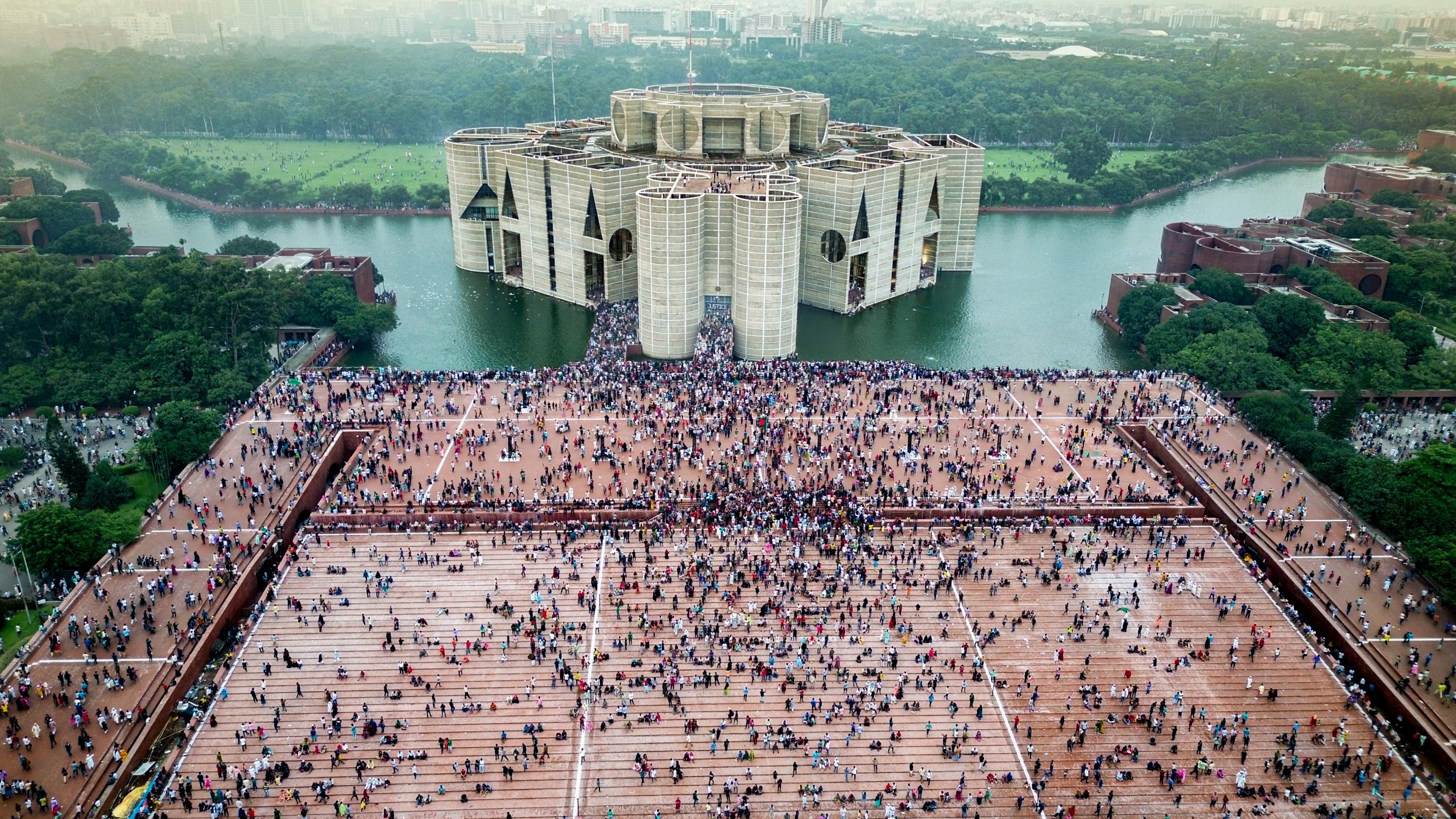
Hasina and many of her entourage were forced to flee. The leaders of the student movement collaborated with the army chiefs to bring in an interim technocratic government headed by Muhammad Yunus, a capitalist economist with links to the US, including some of the student leaders. During the mass student movement there were glimpses of youth and workers taking control of some functions. A mass demonstration forced the Chief Justice to resign as he attempted a ‘judicial coup’ to take power away from the interim government. However, the Yunus government used its power to clear the revolutionary youth from the streets!
The opportunity to develop a programme that met the aspirations of workers and youth was needed to prevent the corrupt establishment politicians from gaining the spoils of the revolutionary movement for themselves, particularly the BNP. The emergence of Bangladesh’s economy had enriched a privileged layer while keeping the workers producing the wealth in poverty and dangerous working and living conditions. The BNP over decades was in a battle with the deposed Awami League to politically represent this layer among the masses.
The student movement leadership launched the National Citizen Party in February 2025 in an attempt to represent the aspirations of the youth and the mood for change. However the leadership of the new party had no clear political orientation, especially how it would connect to the working class. Some of the leadership left the interim government to form the party on the platform of the neoliberal ideas of Yunus. Others were moving towards a left position without a clear programme.
A further complicating factor was the re-emergence of the banned religious party Jamaat-e-Islami, which also claimed its student organisation was a key factor in the overthrow of Hasina. Past leaders of the party had been convicted of war crimes in the Liberation War in 1971 for independence from Pakistan. The ban on the party was lifted to allow it to contest the elections whilst Hasina’s Awami League was banned.
However, the New Citizen Party chose to form an electoral alliance with Jamaat-e-Islami on 25 December. This split the leadership with many left student leaders leaving the party. The elections became a contest between two pro-capitalist electoral alliances offering no way forward for the working class and the poor. Unfortunately the third electoral block of the ‘communist’ parties, the Democratic United Front, lacked a coherent programme and a strategy to win sections of the working class.
The full outcome of the election is not known but the revolutionary aspirations of the July 2024 movement of youth and workers was not represented in the 26 February elections. The median age of the population of Bangladesh is 29 and 50% of the voters were under 39. The BNP captured power but the election turnout was below 60%, low given the tumultuous background to the election. From the limited published results, many contests were tight although, through better organisation, which it is reported often involved corruption, extortion and intimidation, and an established network of candidates they were able to win.
The July 2024 movement is the begining of a process that will test and fracture the BNP government, which is set to continue the economic model of the interim government. The Bangladesh economy, while still growing, is faltering, and with prospects for a downturn in the world economy looking likely could lead to new clashes and social upheavals. Workers’ struggles are always at the forefront, particularly the largely female garment workers and their importance in the economy. The lack of decent jobs for the youth is another ever present flashpoint. These clashes will pave the way for new political formations. Central to developing a real alternative is the need for a new mass workers’ party that can develop a socialist programme as a real alternative in the future.
