


Scott Jones
“I think I can do anything I want with it”, said Donald Trump on 16 March. It being Cuba which, since the revolution in 1959, has resisted the efforts of a dozen other presidents to do just that, but Trump feels able to say so because of the perilous state of things on the island.
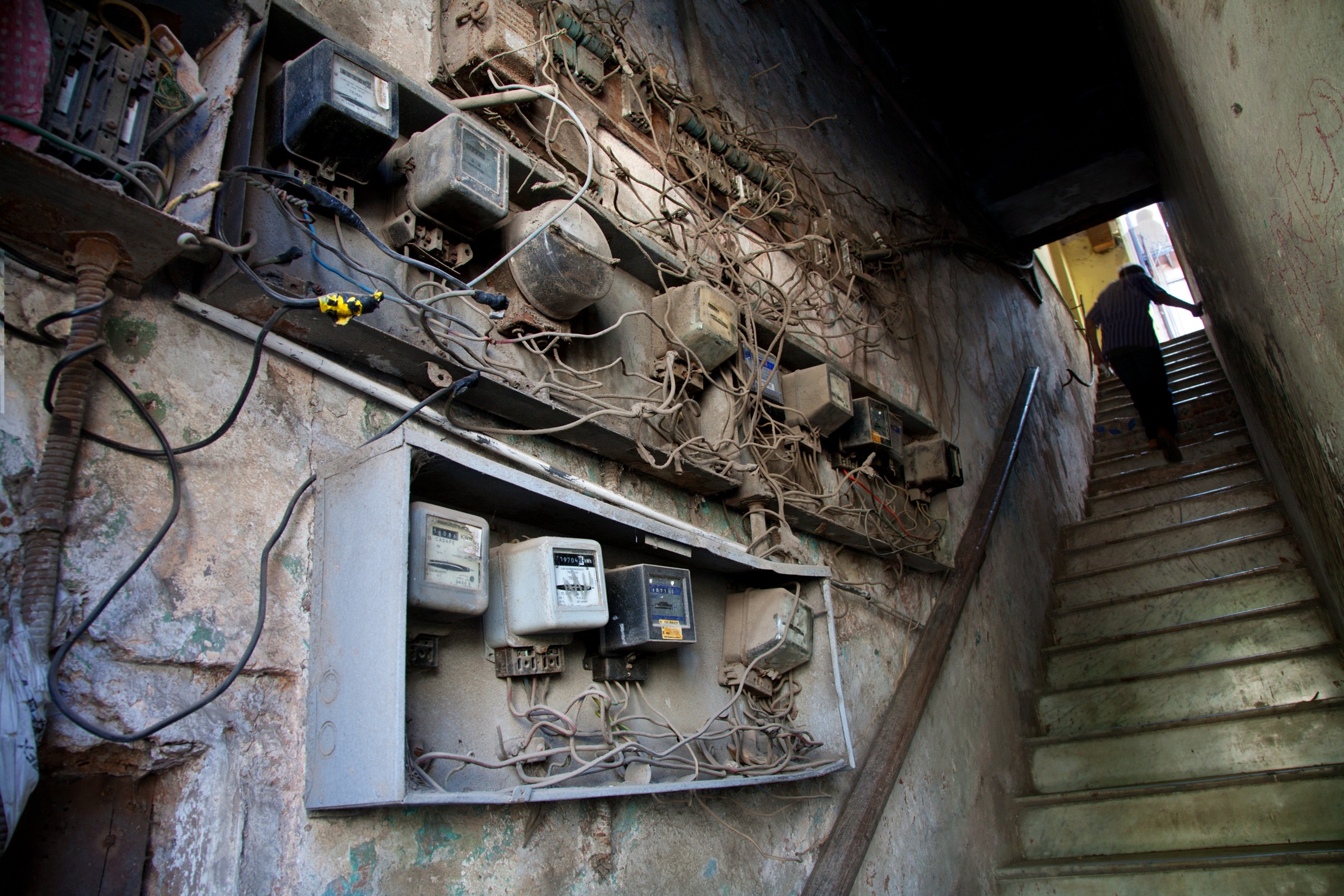
Localised power cuts are not rare in Cuba, with its ageing electricity infrastructure, and they have increased since the Covid-19 pandemic which hit the economy, and the tourist industry it has become reliant upon, hard. But to have not one but two national blackouts in just the space of a week recently – three in the space of a month – is unprecedented.
Events are moving at double speed and are worse than even the ‘special period’ endured in the 1990s following the collapse of the Soviet bloc and its economic and material support.
The current crisis has been sparked by the removal from power by the US of Venezuela president Nicolás Maduro on 3 January. Long-time ally Venezuela had been supplying Cuba with around 35,000 barrels of oil a day, which stopped the same day.
The existing decades-old US blockade of Cuba, ramped up by Trump, is making it difficult for Cuba to replace all that fuel, as shown by total collapses of the national grid, plunging all 10 million Cubans into complete darkness, even Havana’s famous streets and the Malecón waterfront.
Russia has promised some fuel, the ‘Nuestra America’ convoy, a flotilla of aid leaving Mexico, is expected to arrive soon and a group of left-wing activists and international organisations have arrived in Cuba bringing some basic supplies and solidarity.
But these will not be enough, and the prospect of ‘talks’ and ‘deals’ between Cuba and the US has been raised, possibly involving Raúl Rodríguez Castro, the grandson of former president and brother of Fidel, Raúl Castro. These talks could follow a similar path to the limited thawing and agreement that took place between Castro senior and Barack Obama during his presidency but given Trump’s rhetoric and his ‘Donroe’ doctrine foreign policy of seeking dominance in the Americas, it seems clear that a completion of the capitalist counter-revolution in Cuba is the likely aim.
Cuba has survived crises before and resisted the laws of gravity in many ways since the early 1990s to survive as a planned economy and deformed workers’ state, continuing as a reference point for those looking for an alternative to capitalism. As the current crisis worsens, a restless mood among the Cuban people is developing, with more discontent being shown on the streets.
We defend the Cuban revolution and its gains, and the struggle for democratic rights by the working class, poor and youth in Cuba is crucial. A full debate involving the working class and mass of the population to create an emergency economic plan to deal with the crisis is urgent.
Limited ‘workers’ parliaments’ were convened in the 1990s, which should be repeated and go much further to oppose and build an alternative to the increasing threat of capitalist restoration, and to fight for genuine workers’ democracy and a socialist planned economy in Cuba which is more urgent than ever.
This movement, defending the gains and winning new ones, fighting alongside the working class and youth who are increasingly moving into action all over the world, could build a real socialist alternative to capitalism, its wars, poverty and chaos. And this movement, taking inspiration from the Cuban revolution, while learning its lessons, can win.
- Read more: ‘Cuban protests – what do they represent?’ and ‘Cuban revolution at 60: defend the gains and fight for workers’ democracy’
- Buy Cuba: Socialism & Democracy by Peter Taaffe, £8 and Che Guevara – Symbol of Struggle by Tony Saunois, £4 available at Left Books – the bookshop of the Socialist Party. Visit leftbooks.co.uk
