

Editorial of the Socialist issue 1385
Andy Burnham, in his Labour conference speech, sought to feed hopes among some that his government will be different. However, big-business bosses watching will have been quite satisfied. Particularly pleasing for them, his announcement to unlock the triple lock on the state pension – pinching an estimated £50 billion out of pensioners’ pockets by 2050.
The Financial Times is one of the main mouthpieces of British capitalism. It has argued for the scrapping of the triple lock for years on behalf of the big business bosses as one of the ways they seek to maximise profit and minimise the share of wealth going to the working class. Its editorial approved: “Burnham’s pledge to remove the generous ‘triple lock’ on state pensions in the next parliament is promising”, and its appetite grew with the eating.
The FT editorial continued: “What is needed above all is a credible plan to contain spending in the near term”, saying “direct reductions in welfare spending are needed too”, and specifically mentioning Personal Independence Payments (PIP) – another threat to disabled people’s benefits. Recognising that announcing cuts would arouse the kind of opposition that brought down their last representative, Keir Starmer, they advise: “Significant savings may be unrealistic in this Budget. But Healey can at least spell out how welfare costs will be contained and signal a tougher spending review, slated for next year.”
The pensions triple lock has not ended pensioner poverty but it has reduced it. The state pension had dropped to about 16% of mean earnings by 2010 but raising it annually by the highest of inflation, earnings growth, or 2.5% means it is about 26% now. Burnham has announced that the link with earnings growth will be changed.
The FT and co argue that the triple lock is too “generous” and rising too fast – in relation to stagnating wages – and so needs to be cut loose from annual earnings growth and linked to a more general average. But despite propaganda, those claiming the state pension today are not in clover. A full new state pension is worth just £12,548 this year, the lowest in the G7. Instead of young workers and pensioners being pitted against each other, we need mass workers’ struggle to fight for wage rises and restoration and pensions that allow dignity in retirement.
Last November, a response from the DWP to a freedom of information request by consultancy LCP showed that 11.7 million future pensioners – almost one in three of today’s workers – would receive a pension income lower than the minimum retirement living standard if the state pension were linked to inflation.
Government guidance anticipates a ‘saving’ of up to £50 billion by 2050. The current spending on pensions is £154 billion so this attack equates to a large proportion being cut, hitting the poorest pensioners hard. More future pensioners will be poor then, given that many more will not be homeowners or have good private pensions thanks to ‘40 years of neoliberalism’.
The FT’s campaign under the five prime ministers since 2017 has been unsuccessful so far. All the governments before who sought to roll back on the triple lock have found opposition to any changes to be widespread and across the generations. A recent Times YouGov poll went as high as 93% of pension-age people defending it.
National Care Service
Why then has YouGov now found support for Burnham’s plan by 48% to 28%? In his speech he said that the money taken from pensions could be used to fund a National Care Service – in the next parliament which in today’s volatile world is not a concrete commitment. He even spoke of it being “Free at the point of use and no care charges paid out of your basic state pension. Care that is about people not profit.”
The Bagehot column in the Economist, while impatient for more spending cuts, did put it correctly: “Greater scepticism is in order”. It writes: “This is a golden age for the faux heretics…So with Mr Burnham. The big ideas that propel him are wearily familiar, shared among most of the six prime ministers who have governed Britain in the past decade. Policies recur word for word.” Governments attempting to carry out the demands of the capitalist class get replaced when mass opposition makes them unviable. The demands of the capitalist class for less public spending are again attempted and come a cropper. And so on.
The idea of a National Care Service was also raised by Tory PMs Theresa May and Boris Johnson seeking support for their unpopular governments. They also had no plans to fund it other than taking money off the working class. Like them, Burnham does not intend to encroach on the care home business model dominated by private firms, where low wages and high charges to individuals and councils see profit margins of up to 18%! The plans are limited to personal care, food and accommodation will still have to be paid for.
Jeremy Corbyn’s manifestos in 2017 and 2019 pledged a National Care Service, committing to “Introduce free personal care for over 65s and fill existing projected funding gap”, which was costed at £10.8 billion. Corbyn’s 2017 manifesto proposed nationalisation of the utilities and Labour’s vote increased by 3.53 million – 9.6% – the biggest increase between elections by any party in both the absolute number of votes won and the percentage share of the vote since the 1945 general election.
Nationalisation
The Socialist would expand on his formula with the call for the nationalisation of the top 150 corporations and banks that dominate the economy under democratic working-class control and management. This would start to put the levers of the economy into the hands of the working class, which could start to plan how it is run, including investing in care, nationalising the care ‘industry’, and providing all generations with the means to live a decent life.
Unite the Union leader Sharon Graham has said: “Instead of going to try and pick the pocket of pensioners, we need to move over to the other side of the equation and think about things like wealth taxes way before we try to stop something like the triple lock.” Unite could lead a movement to fight for this to be realised.
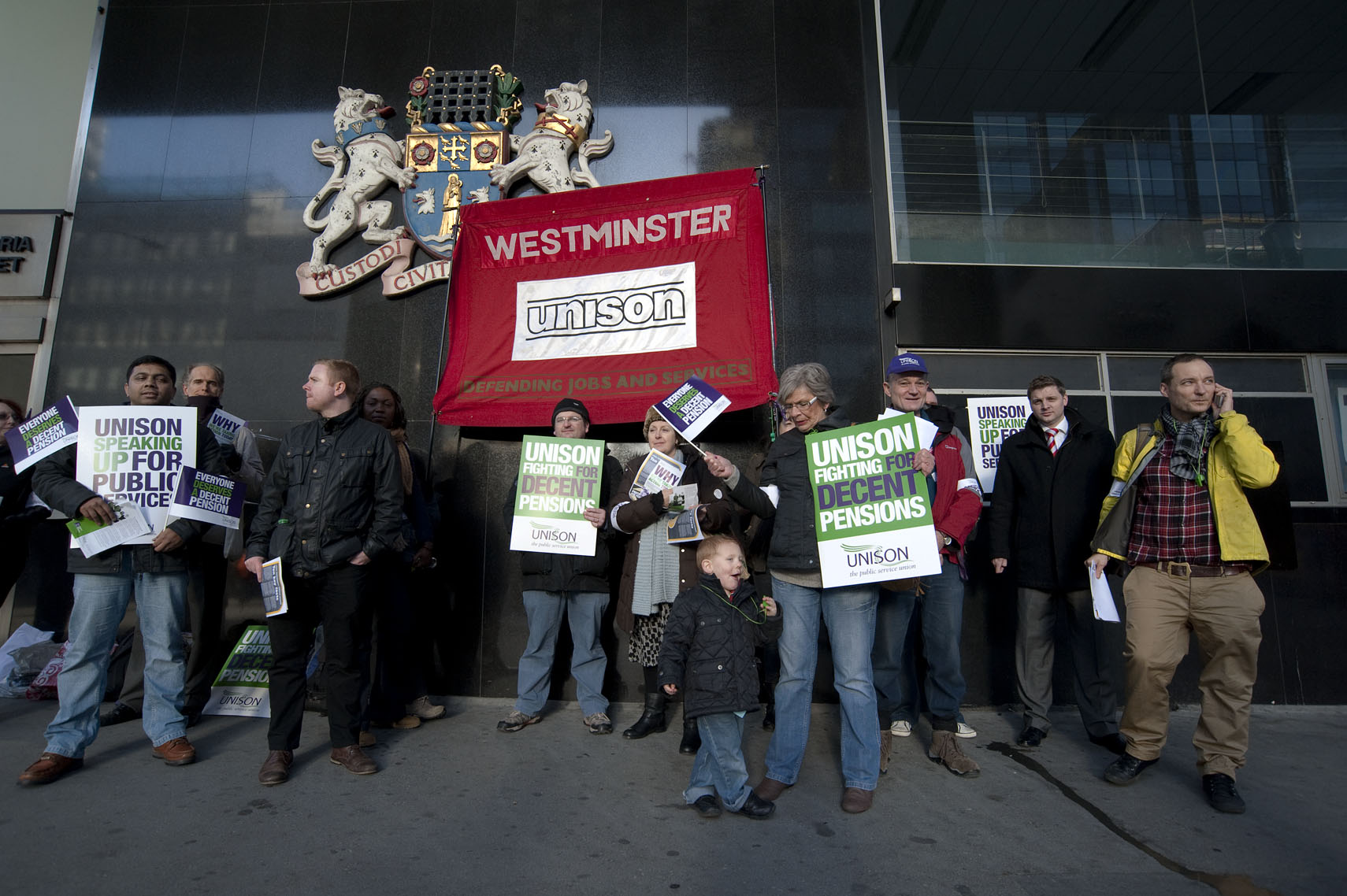
Keir Starmer’s Labour government was unable to carry through its attacks on pensioners in the form of the winter fuel payment cut, because of the working-class pressure brought to bear on MPs. The unions must take the initiative to mobilise that pressure now.
If Unite demanded that the 83 Labour MPs it has sponsored (to the tune of millions of pounds) move to block the attack on the triple lock in parliament – including by raising a private member’s bill – and coordinated with other trade unions for a mass Saturday demo, it could cost the government its majority and defeat the measure, which is expected to be voted on in this parliament.
Despite his so-called ‘landslide’ election win, Starmer lasted just two years as prime minister because he governed in the interests of the capitalist class – with the attacks on the working class and pensioners that entails.
Bond market pressure will not ease on Burnham, and demands from the capitalists for spending cuts deemed necessary to protect their profits will grow. The content of Burnham’s speech was another confirmation that he intends to do their bidding. The pressing question for our movement is how can the working class build opposition most effectively – including by mass youth strikes on 20 November, strengthening our unions, and building our own party with a socialist programme for ending the grip of the capitalists.
