


James Gretton, Southampton Socialist Party
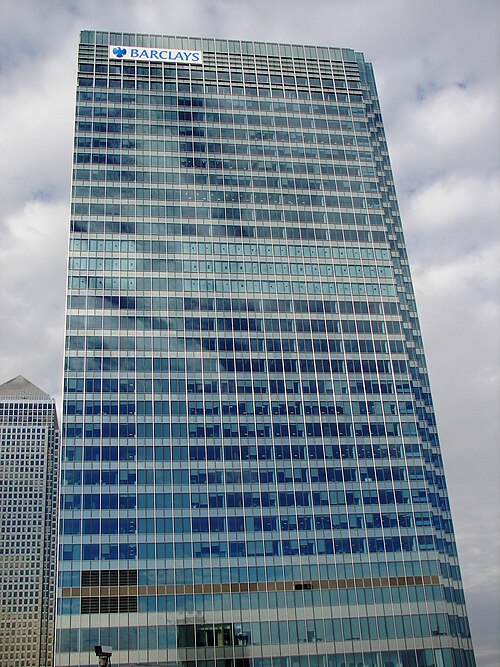
Barclays Bank announced 5,000 job cuts worldwide by the end of 2026. They justify this by their accelerated reliance on AI. Comprising 5% of the bank’s global workforce, 60% are support staff, and 1,000 posts have already been closed. Barclays’ India branch will be especially impacted, as they manage some of the UK’s back office functions. According to CFO Anna Cross, the bank expects to save over £1.1 billion next year, while CEO C. S. Venkatakrishnan characterised AI as the “icing on the cake” of their ‘modernisation’ strategy. Additionally, Barclays announced £500 million in stock buybacks for its shareholders, enriching them while throwing thousands into unemployment.
Unite, whose finance and legal sector encompasses over 50,000 members, has condemned the cuts, with general secretary Sharon Graham describing the use of AI “as an excuse to discard its loyal and long-suffering workforce.” Unite’s national officer for finance, Rick Coyle, called for “urgent and frank negotiations”, and for Barclays to instead “put measures in place to upskill and adapt workers for new technology”.
In a wider trend of AI banking and related layoffs, Standard Chartered announced over 7,000 job cuts in line with its own AI adoption in May. In their news release on 19 October, Santander announced they are researching efficient AI models “designed for specific banking tasks”.
AI hasn’t been so friendly to students; a report by Prospects (part of the data agency Jisc) found that compared to the previous four cohorts, 2023-24 graduates were more likely to be unemployed and doing unpaid work, and less likely to be working full time.
Even if the Budget contains new taxes on the banks, that won’t hold Barclays and others accountable. Chancellor John Healey is expected to lay it on thick that AI will revitalise the British economy. But the experience so far is that, far from creating more jobs, AI is creating more opportunities to justify mass layoffs and further enrich shareholders. Only the means of exploitation are being ‘modernised’, all the while young people are in more financial precarity than ever.
Barclays made £6.1 billion in profit in the first half of the year, the other big banks have also made massive profits from this year’s volatility, while we have paid the price with higher petrol prices and uncertainty. Taking some of the banks’ profits could be used to take the edge off the cost-of-living crisis and youth unemployment. Bringing down our bills and creating socially useful work. But it won’t make a meaningful difference if those taxes go towards increased defence spending. What would be meaningful is bringing both banks and AI into public ownership, a long-term solution which Unite, socialists and other activists can fight for. Paying compensation only on the basis of proven need, with no extra money to the fatcat shareholders, nationalising the big banks and businesses would mean we could democratically plan what we need in society instead of what makes a profit for a few. Advances in technology could be used to free our lives from toil, instead of driving down pay and living standards.
