

Jay Coward, Equity conference delegate and Socialist Party member
Just two days after both establishment parties were smashed at May’s polls, performing arts union Equity voted to start a process which could establish a political fund for the first time in its 96-year history.
Conference opened to a hall in Durham preoccupied by the new political landscape and hungry for action on arts workers’ needs. This developing mood was evident in the run-up.
A tremendous 99.6% ‘yes’ vote in December’s indicative ballot – for action short of strike over AI in film and TV – brought the employers’ association to the table. There is an upcoming indicative ballot for strikes in West End theatres, to build on the gains of 2023’s pay dispute. Collective agreements have been won with Pride employers for the first time this year, in Manchester then Durham.
The Durham agreement followed the right-populist Reform council cutting its already pitiful £2,500 Pride funding to £0. Left general secretary Paul W Fleming called Reform the “biggest threat to our industry” – that it would make arts funding “disappear”.
Reform is a real threat. But where is the working-class alternative? I made this point from the floor in the ‘Fighting the far right’ fringe meeting – that the Together Alliance has apolitical rhetoric of ‘Love, Hope and Unity’, alongside the involvement of politicians like Sadiq Khan, Mayor of London, who oversees austerity conditions – and also asked about trade union stewarding of counter-demonstrations.
Labour
Meanwhile, Labour is in government directing austerity nationally. Recognising this, many reps stayed in bed for the opening speaker of the final day, Durham’s Labour MP Mary Kelly Foy. Even TUC general secretary Paul Nowak admitted to conference that Labour is “a party with a huge majority and no public support” – but had no answer.
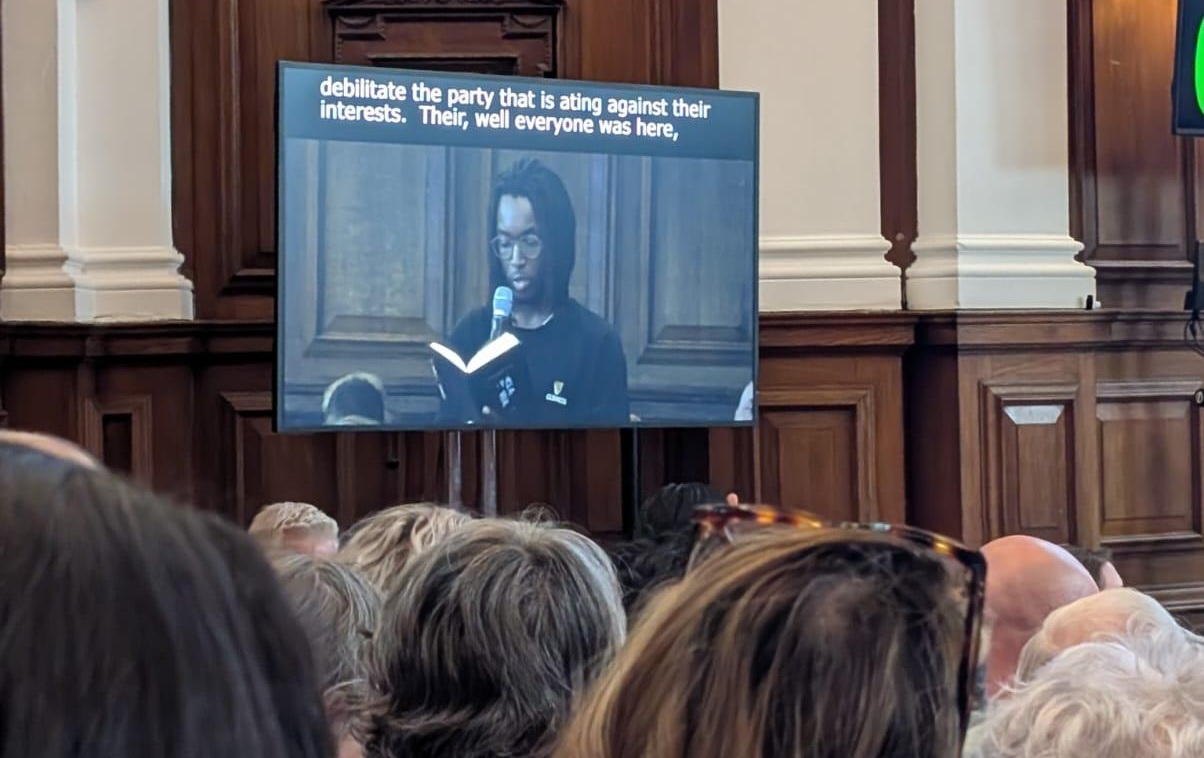
Our motion on workers’ political representation followed. The evening before, Paul Fleming alluded to it as a “watershed moment for the union”, and said Equity’s long tradition of apolitical trade unionism had failed.
The key question is: political trade unionism on whose terms? Proposing the motion, I was clear that in no way did it call for Equity to become a timid lapdog to unaccountable political parties, pumping money into a black hole that offers us nothing but cuts.
It was the most contentious motion of the weekend and produced the longest discussion by far. Many reps argued it is vital for the union to establish political tools to further our aims and hold government to account. The motion passed overwhelmingly.
Equity Council, the union’s executive, is now charged with beginning “a process of discussion at all levels of Equity” including on “establishing a dedicated political fund… that could selectively support political candidates fighting for Equity policy.” Alongside approaching “the executives of other unions” for “discussion on a political voice accountable to trade unionists”, this motion must be the start of real efforts by Equity to help bring together a working-class political alternative to Labour, Reform, and all the bosses’ politicians.
